Chronic back pain can drain energy, sleep, and mood. When every bend hurts, even small tasks feel heavy.
After pills and office visits fail, many adults start looking at the benefits of inversion therapy. This method tilts the body so gravity gently stretches the spine and eases pressure on sore discs and nerves.
Used with care, inversion can ease pain, relax tight muscles, and support long term spine health at home. In this guide I share how it works, the key benefits, who should avoid it, and safe first steps.
Key Takeaways
Before I dive into details, it helps to see the big picture of inversion therapy. These quick points highlight what matters most from this guide.
Gentle spinal decompression. Inversion gently reverses gravity so the spine can decompress. More space between vertebrae reduces pressure on discs and nerves. That effect sits at the center of most pain relief.
Pain relief and flexibility gains. Gentle traction often calms sharp nerve pain and eases chronic soreness. Tight back muscles relax, which can make bending and walking feel easier. Many people also notice better flexibility over time.
Best as part of a full back care plan. Inversion works best alongside stretching, core strength work, and good posture habits so gains do not fade. Resources like Best Inversion Table Reviews help match people with safe, suitable tables.
Not right for everyone. This method is not right for everyone, especially people with heart, eye, or bone disease. A doctor visit before starting is essential for safety and can prevent serious problems.
Quality equipment matters. Picking a well built, stable inversion table matters just as much as technique. Comfort features and strong safety locks protect ankles and joints. Careful shopping avoids painful and expensive mistakes.
How Does Inversion Therapy Actually Work For The Spine?
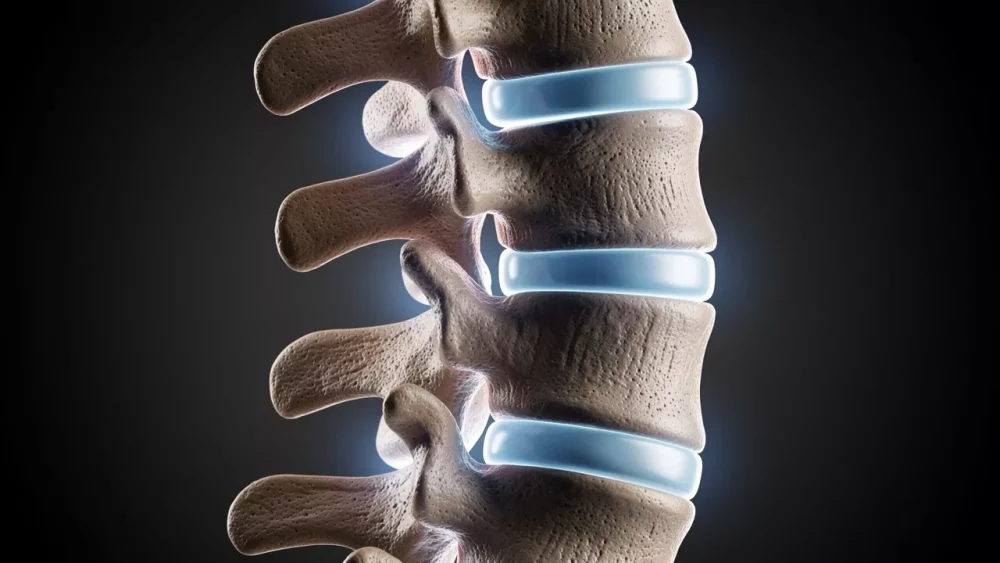
Inversion therapy works for the spine by reversing normal gravity so the vertebrae gently separate. This brief change gives the discs more space, eases nerve pinching, and boosts blood and fluid flow around the back.
During daily life, gravity constantly presses the spine together. Sitting, lifting, and even standing shrink the small gaps between vertebrae, which strains discs and joints. According to the National Institute of Neurological Disorders and Stroke, about eighty percent of adults have low back pain at some point, often from this type of stress.
When I tilt back on an inversion table, my upper body weight pulls the spine in the opposite direction. Even at mild angles around thirty degrees, that pull creates gentle traction. The space between vertebrae widens slightly, which lowers pressure inside each disc. This drop in pressure acts like a small vacuum that can help draw bulging disc material back toward the center of the disc.
At the same time, circulation changes. More blood moves toward the spine and surrounding muscles, bringing oxygen and nutrients that support healing. The lymph system can clear waste products more easily, which may lower inflammation around irritated nerves. Research in the journal Disability and Rehabilitation shows that structured inversion sessions can improve flexibility and core strength when used over several weeks.
Medical groups such as Mayo Clinic point out that this decompression is temporary. The spine still faces gravity once a person stands again. That is why I view inversion as a helpful tool inside a wider plan, not a cure on its own.
What Are The Key Benefits Of Inversion Therapy For Back Pain?
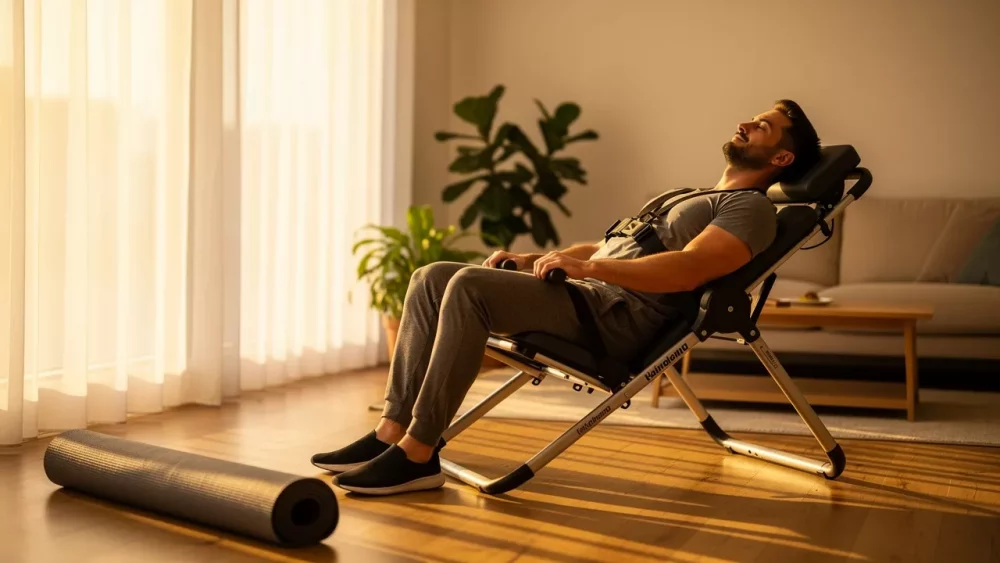
The main benefits of inversion therapy for back pain come from spinal decompression, muscle relaxation, and better posture. By easing pressure on discs and nerves, many adults feel less pain and more freedom to move.
Spinal decompression and sciatica relief sit at the top of the list. When the spine lengthens, the openings where nerves exit the back can widen. That extra space may reduce compression on nerve roots that cause sciatica, radiculopathy, and pain from herniated or degenerative discs. Some people feel leg pain ease within a few short sessions, especially when they combine inversion with physical therapy exercises.
Another major benefit is reduced muscle tension and spasms. Chronic pain often makes back muscles clamp down to guard sore joints. Inversion gives those muscles a slow, steady stretch that can interrupt the pain–spasm cycle. For athletes, this deep stretch after lifting or running can support recovery. A small study in Disability and Rehabilitation followed forty seven adults with long term low back pain and found that three sets of three minute inversions at set angles improved both pain and flexibility over eight weeks.
Regular use can also support better posture, flexibility, and range of motion. Long hours of desk work or driving pull the spine forward and compress the lower back. Inversion sessions encourage tiny movements and alignment changes that help restore a more natural curve. Over time, reaching overhead, tying shoes, or rotating the torso can start to feel smoother and less stiff.
For many readers of Best Inversion Table Reviews, the most hopeful benefit is non surgical pain management. A 2012 study in Disability and Rehabilitation reported that patients with lumbar disc problems who used inversion with physical therapy were less likely to need back surgery after six weeks than those who had therapy alone. That does not mean surgery is never needed, but it suggests inversion deserves a fair trial before major operations when a doctor agrees it is safe.
Who Should (And Should Not) Use Inversion Therapy?

Inversion therapy can help many adults with spine problems, but it is not safe for everyone. The best gains come when people match this method to the right medical picture and clear guidance from a doctor.
People who often benefit include adults with chronic low back pain, mild to moderate sciatica, or long standing disc problems, and which therapeutic exercise is most effective remains an active area of research that can help refine individual care plans. Those with spinal stenosis or early degenerative disc disease may also feel relief from short, gentle sessions. Fitness fans sometimes use inversion between workouts to unload the spine and help recovery. The key is that symptoms are stable, not in a fresh, severe flare.
To make this clearer, I think about the best fits in a simple way.
Adults with long term but stable lower back pain often respond well. Many have tried standard care and still need extra relief. For them, careful inversion can act like a home version of spinal traction.
People with desk heavy jobs and stiff posture may notice less daily soreness. Light decompression breaks up long blocks of sitting. That change can make later stretching and walking more effective.
Middle aged and older adults who want a non invasive option may enjoy short sessions at shallow angles. When they pair inversion with gentle core work, they often regain confidence in bending and lifting.
On the other side, some conditions make inversion unsafe. According to Mayo Clinic, inversion is not advised for people with:
Uncontrolled high blood pressure, heart disease, or a history of stroke
Eye problems such as glaucoma or a past retinal detachment
Osteoporosis, recent fractures, fresh spinal surgery, or an acute disc rupture
Pregnancy, severe obesity, or a hiatal hernia
Bone and joint diseases matter just as much as heart and eye issues because they raise the chance of injury when the body is under traction. No matter how strong a sales pitch sounds, I always treat a medical checkup as a firm first step before hanging upside down.
How To Get Started With Inversion Therapy Safely At Home
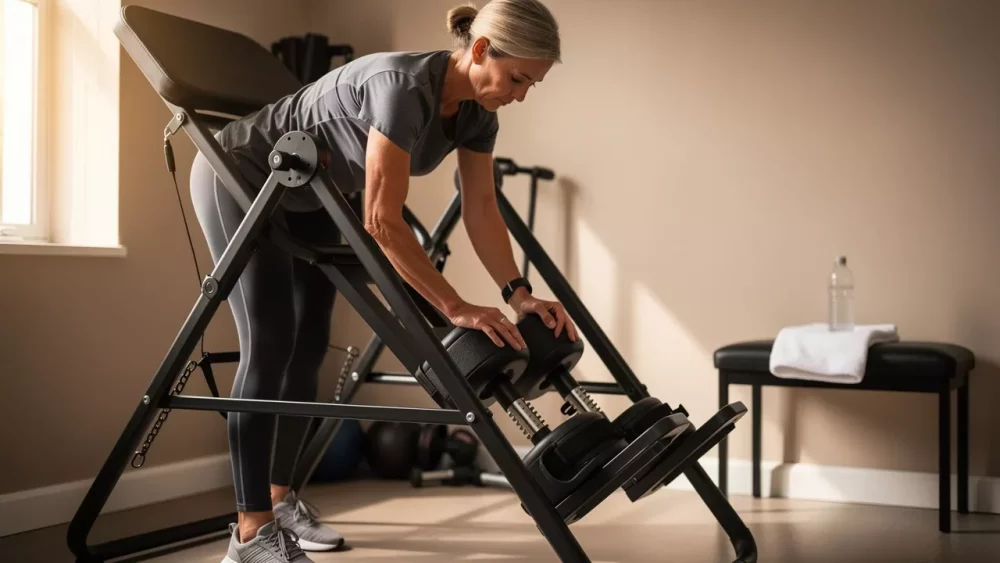
Starting inversion therapy at home means moving slowly, choosing gentle angles, and respecting medical advice. A clear plan and a stable, comfortable table help the spine gain more from each short session.
Before anything else, I view a talk with a doctor or physical therapist as non negotiable. Back pain can come from many causes, and only a clinician can say whether inversion is a safe fit. The World Health Organization notes that low back pain is one of the leading causes of disability worldwide, which shows how important careful, guided care really is.
Once a person has medical clearance, a simple routine keeps early sessions safe.
Start with a shallow angle, often around twenty to thirty degrees. That small tilt is enough for gentle traction. Most healthy beginners stay inverted for only one to two minutes at first.
Always have a spotter nearby, especially in the first few weeks. A helper can steady the table and bring it upright if dizziness, pain, or equipment trouble appears. That backup greatly lowers the chance of accidents.
Keep ankle locks, safety straps, and height settings snug before leaning back. Loose hardware raises the risk of slipping and joint strain. Reading the manual and testing the balance point in advance pays off.
Return to upright very slowly at the end of each set. A sudden sit up can shock the muscles and discs and trigger a new spasm. I like to pause halfway up, breathe, and then come fully upright.
Tip: Keep a short log of angles, session length, and how your back feels afterward. That simple record makes it easier to notice patterns and discuss progress with your clinician.
I also cap sessions at about five minutes, no more than twice a day, and pair them with simple stretches or core exercises my therapist recommends. When it is time to buy a table, I rely on guides from Best Inversion Table Reviews, which compare safety features, weight limits, padding, and price. That kind of detail helps match the right model to a person’s body, budget, and back history.
Making The Right Choice For Your Back Health

Inversion therapy offers gentle spinal decompression, less nerve pressure, and calmer muscles for many adults who live with back pain. It works best when used alongside stretching, strengthening, and smart posture habits instead of being treated as a stand alone fix.
For the right person, short sessions on a quality table can mean fewer flare ups, better flexibility, and more confidence with daily movement. At the same time, serious medical conditions can make inversion unsafe, so a clear green light from a doctor always comes first.
Reminder: If your symptoms get worse, or new numbness, weakness, or bladder changes appear, stop inversion right away and contact a medical professional. Sudden changes can signal a problem that needs prompt care.
If a clinician says it is appropriate, the next step is choosing safe gear and a sensible routine. Best Inversion Table Reviews exists to make that part simpler, with research based reviews and plain language guides. With solid information and careful use, an inversion table can become a helpful part of a long term plan for a steadier, happier spine.
Frequently Asked Questions
Question: How long does it take to feel the benefits of inversion therapy?
Many people feel muscle relaxation and light decompression within the first few sessions. Deeper changes in pain levels and flexibility usually show up after four to eight weeks of steady, short sessions. Clinical work cited in Disability and Rehabilitation found meaningful gains over about two months of regular use.
Question: What angle should I use on an inversion table for back pain?
Most beginners do well starting around twenty to thirty degrees instead of full inversion. Seniors or very stiff users can begin near ten degrees and stay there for several weeks. The angle should only increase when sessions feel comfortable and symptoms stay stable.
Question: Can inversion therapy help with a herniated disc?
Yes, it may help with stable, chronic disc herniation by lowering disc pressure and slightly drawing bulging material away from the nerve root. Many physical therapists use gentle traction this way. Fresh or severely ruptured discs are different, though, and need direct clearance from a spine specialist before any inversion.
Question: Is it safe to use an inversion table every day?
Daily use can be safe for healthy adults if angles stay moderate and sessions stay short, usually one to five minutes. Many protocols suggest two or three sessions per week as a starting point. If dizziness, headache, or more pain appears, the schedule should stop until a doctor reviews it.
Question: How is an inversion table different from inversion yoga poses?
Both reverse gravity and can decompress the spine, but a table offers mechanical support and precise angle control. That control helps people with limited strength or balance feel safer. Yoga poses like headstands and shoulder stands demand strong cores and should only be learned with a trained instructor and medical clearance.