Does losing weight help back pain?

Does losing weight help back pain?

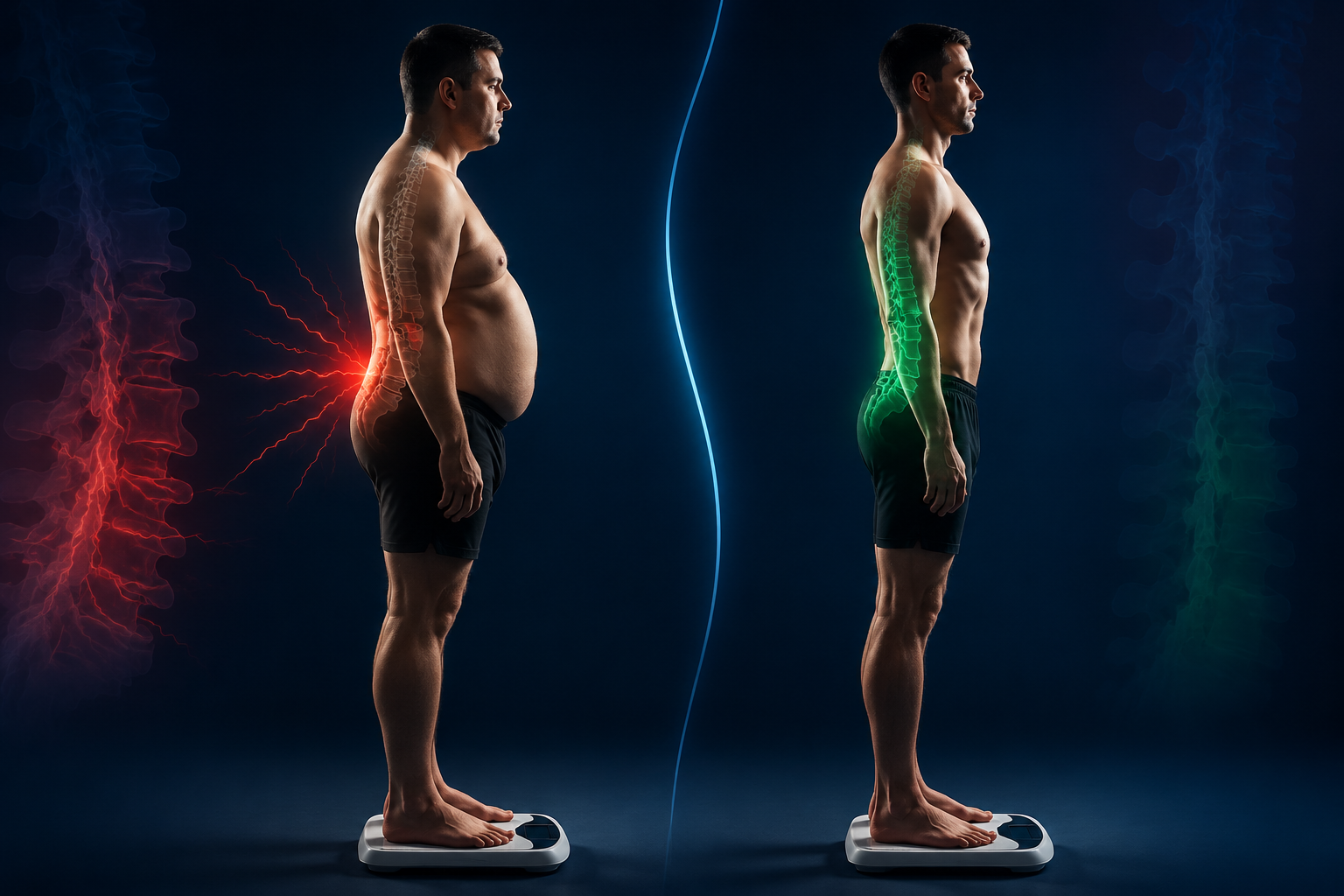
Yes, losing weight helps back pain significantly. Every pound lost removes up to four pounds of pressure from your lower back, reducing stress on spinal discs and joints. Studies show that people who lose just 5% of their body weight experience measurable pain relief and improved mobility, with greater weight loss producing even stronger results. …

Read more

Common Causes of Back Pain & How to Find Relief

Common Causes of Back Pain & How to Find Relief

Back pain stems from multiple causes, with muscle strain leading the list, followed by disc problems, arthritis, and postural issues. The causes of back pain range from sudden injury to gradual degeneration, but most cases respond well to conservative treatments like physical therapy, lifestyle changes, and targeted exercises. Relief strategies in 2026 emphasize non-surgical approaches, …

Read more

Causes of Back Pain: From Muscle Strain to Chronic Issues

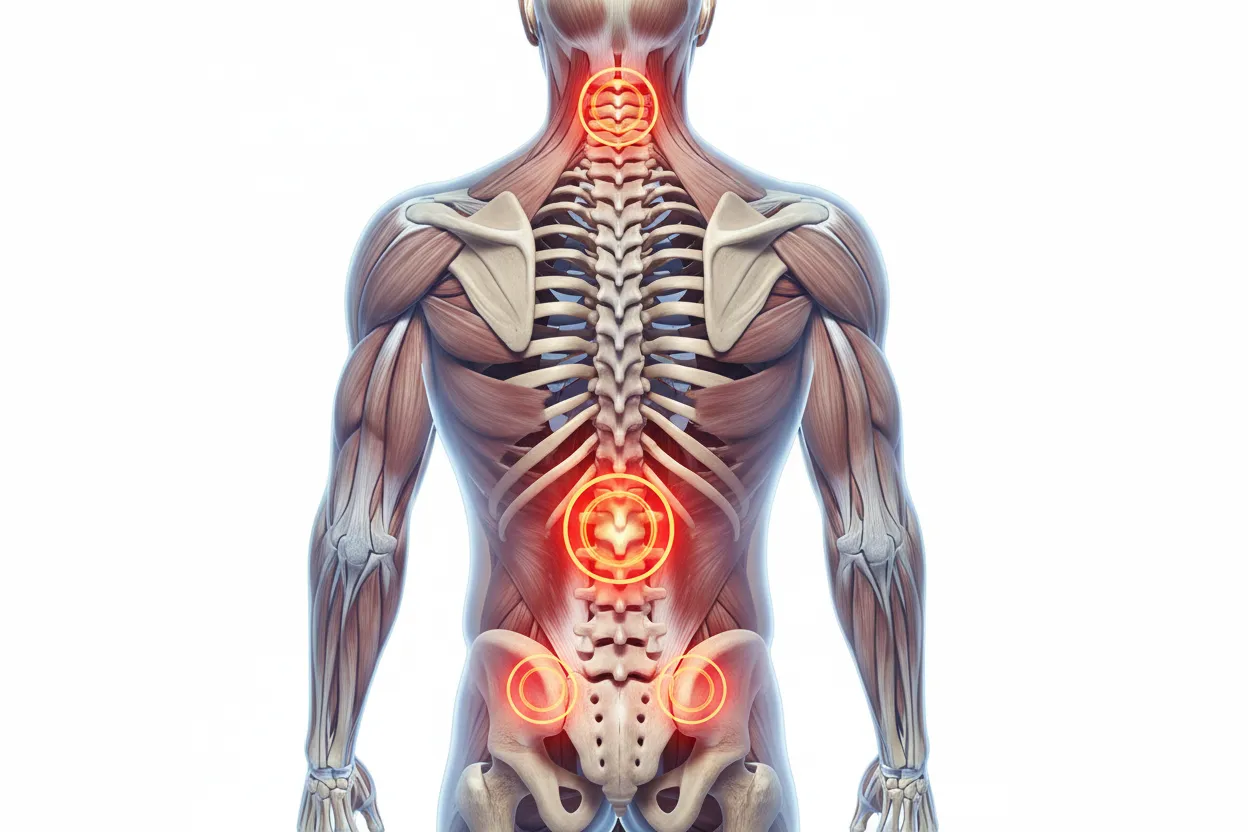
Anatomical illustration of the human spine showing pain points in the neck, lower back, and hips.

Back pain affects nearly 80% of adults at some point in their lives, making it one of the most common reasons people seek medical care. Whether you’re dealing with a dull ache after lifting heavy boxes or sharp, shooting pain that radiates down your leg, understanding what’s causing your discomfort is the first step toward …

Read more

Inversion Therapy for Flexibility: Benefits & Safe Techniques

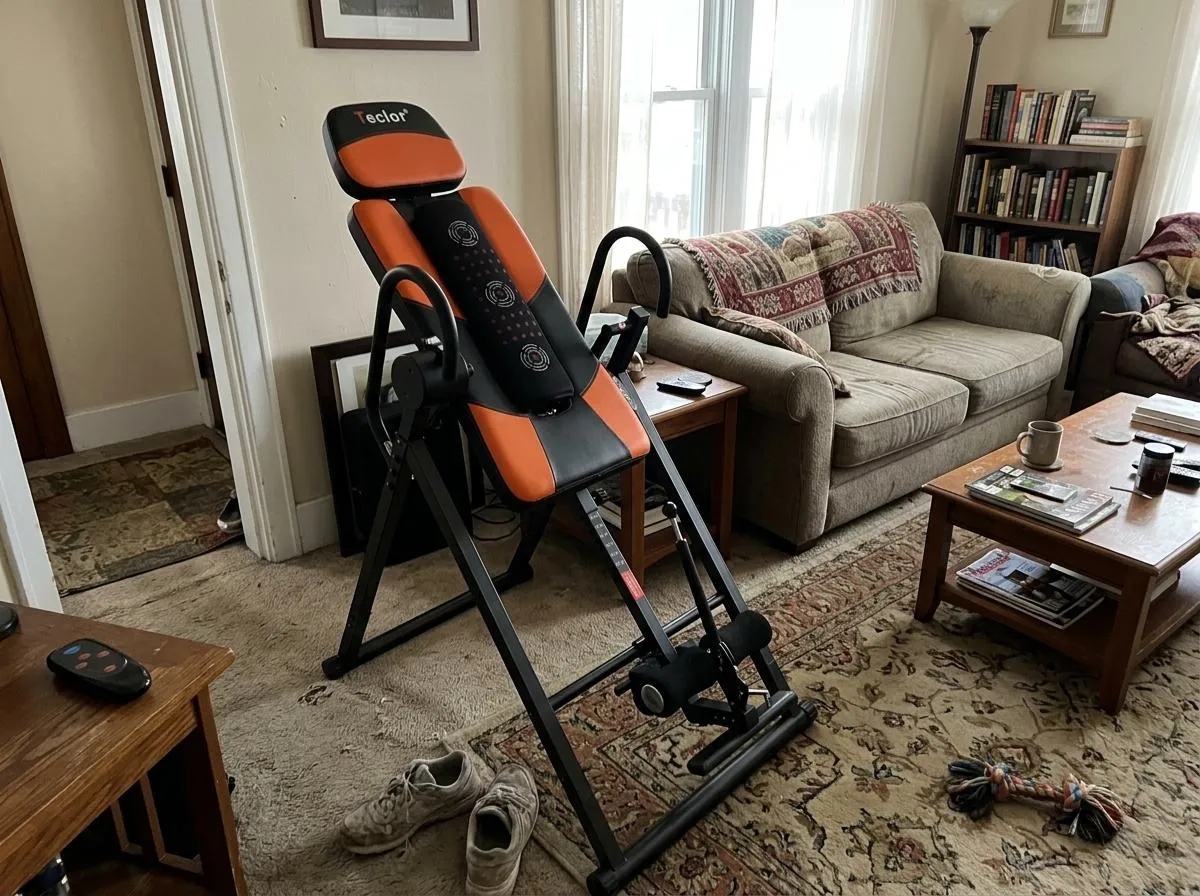
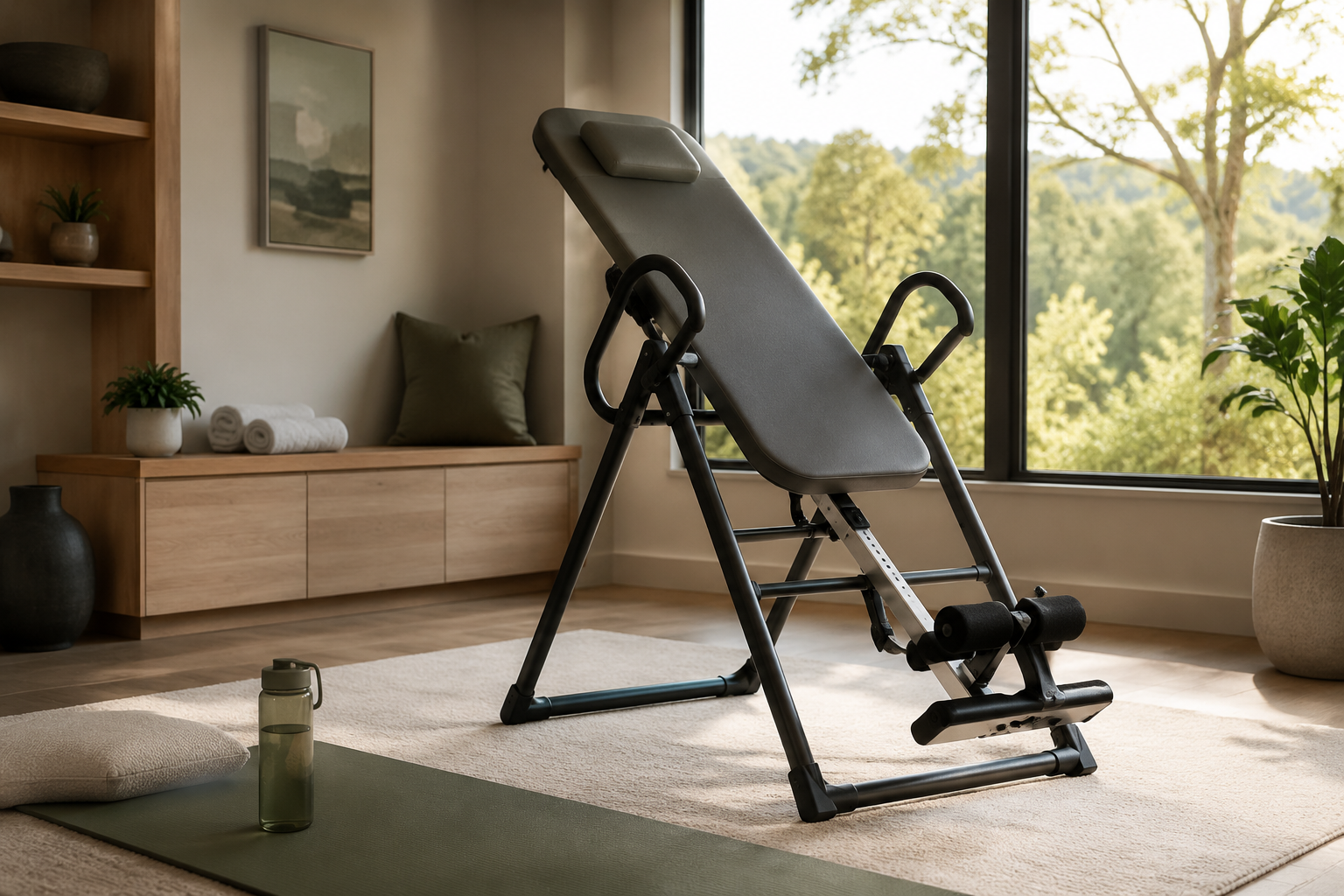
Orange and black inversion table in a living room with a couch and rug.

Stiffness in your back, tight hips, and limited range of motion can make even simple movements feel like a chore. Whether you’re bending to tie your shoes or reaching for something on a high shelf, the daily toll of gravity compresses your spine and restricts your flexibility. Inversion therapy offers a natural solution by flipping …

Read more

Pilates for Back Strength: Exercises for a Strong Spine

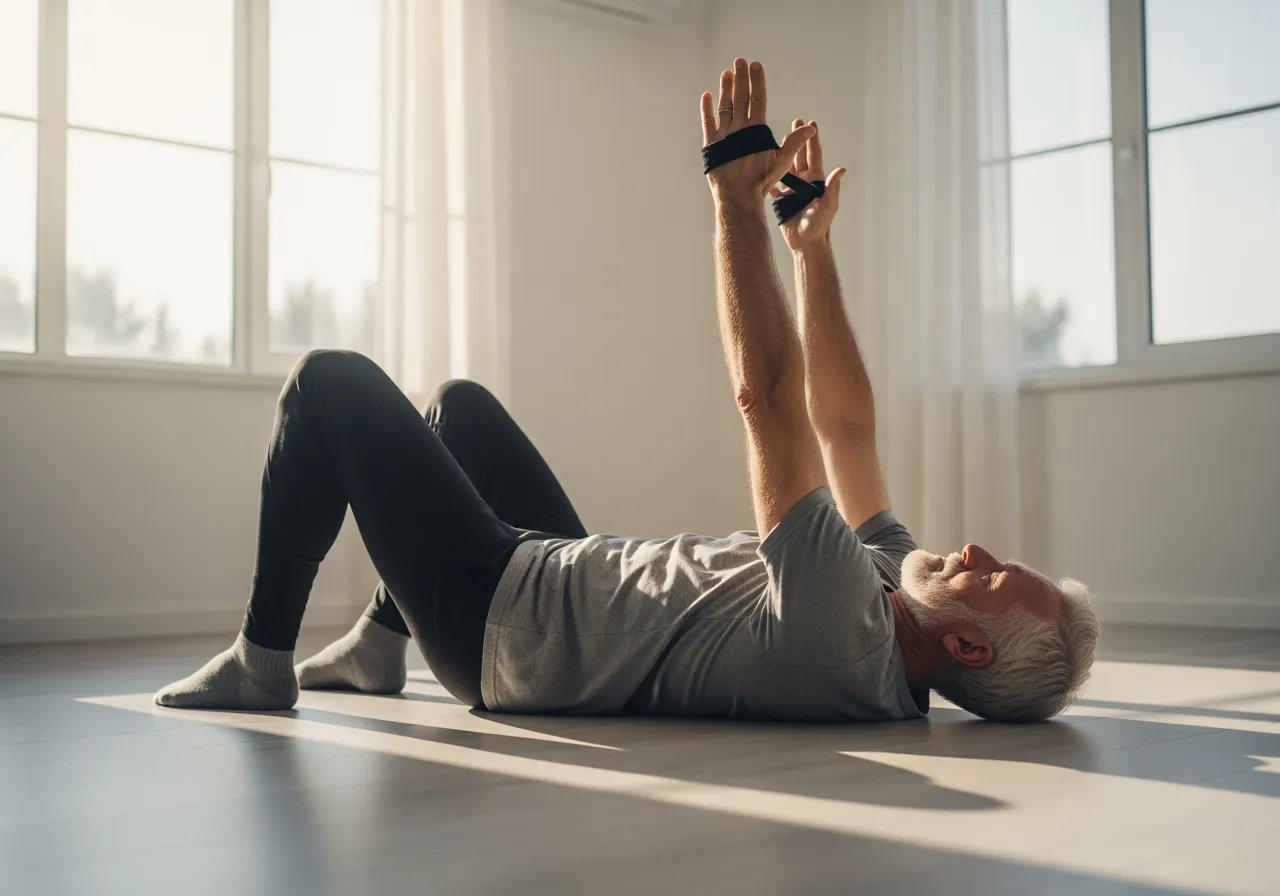
Man with gray hair lying on floor, arms raised, performing exercise with resistance bands.

Back pain can make driving, sleeping, or sitting at work feel exhausting. The National Institute of Neurological Disorders and Stroke reports that about 80 percent of adults deal with low back pain at some point, and that constant ache can leave you feeling older and less capable than you really are. Pilates for back strength …

Read more

Inversion Table vs Chiropractic: Which Should You Choose?

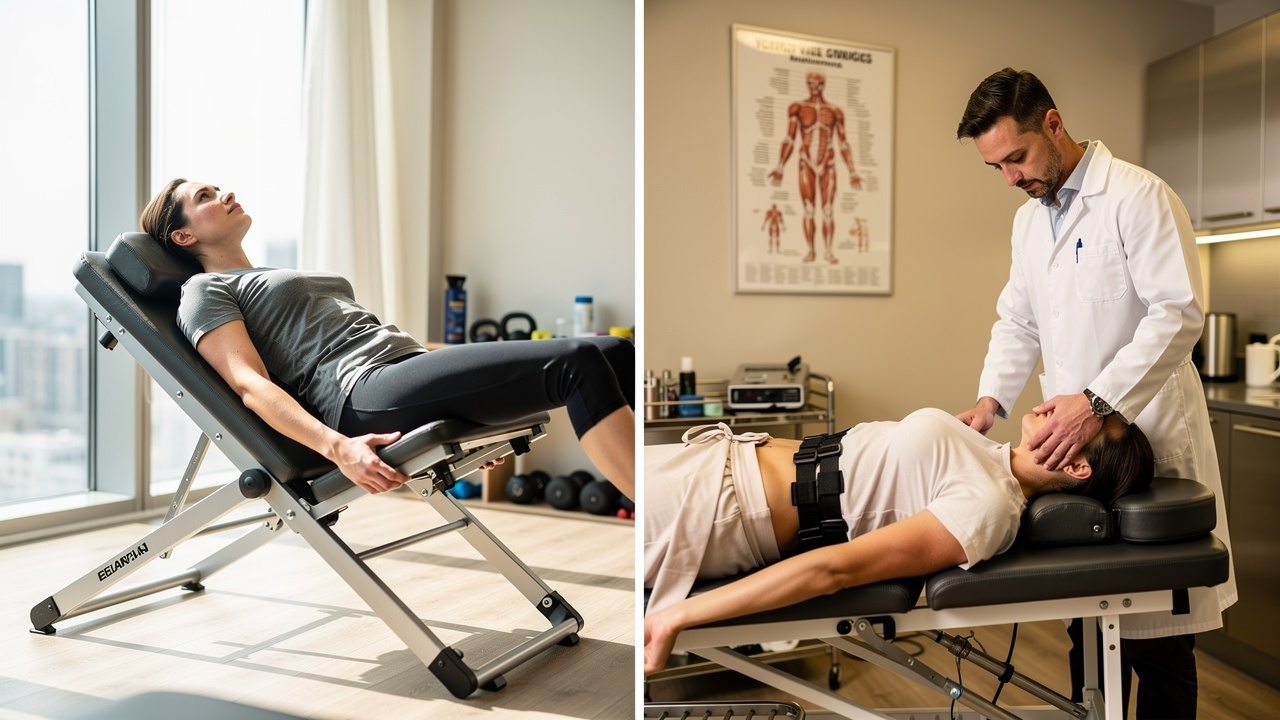
Inversion Table Vs Chiropractic Care Comparison

Introduction Back pain makes even simple tasks hard, and choosing between an inversion table vs chiropractic care can get confusing fast. Many people want relief without surgery or heavy medication but are not sure which path fits their back. Ads, online forums, and mixed advice from friends can stir up more doubt. One person swears …

Read more

The 30-Day Inversion Table Progression Guide for Beginners

The 30-Day Inversion Table Progression Guide for Beginners

Starting inversion therapy requires a structured 30-day progression that begins with just 1-2 minutes at a shallow 20-30 degree angle and gradually builds to 3-5 minutes at 45-60 degrees. This slow progression allows your body to adapt safely while minimizing risks like dizziness or blood pressure spikes. Most beginners see noticeable benefits after committing to …

Read more

What common myths about inversion tables should patients know are false?

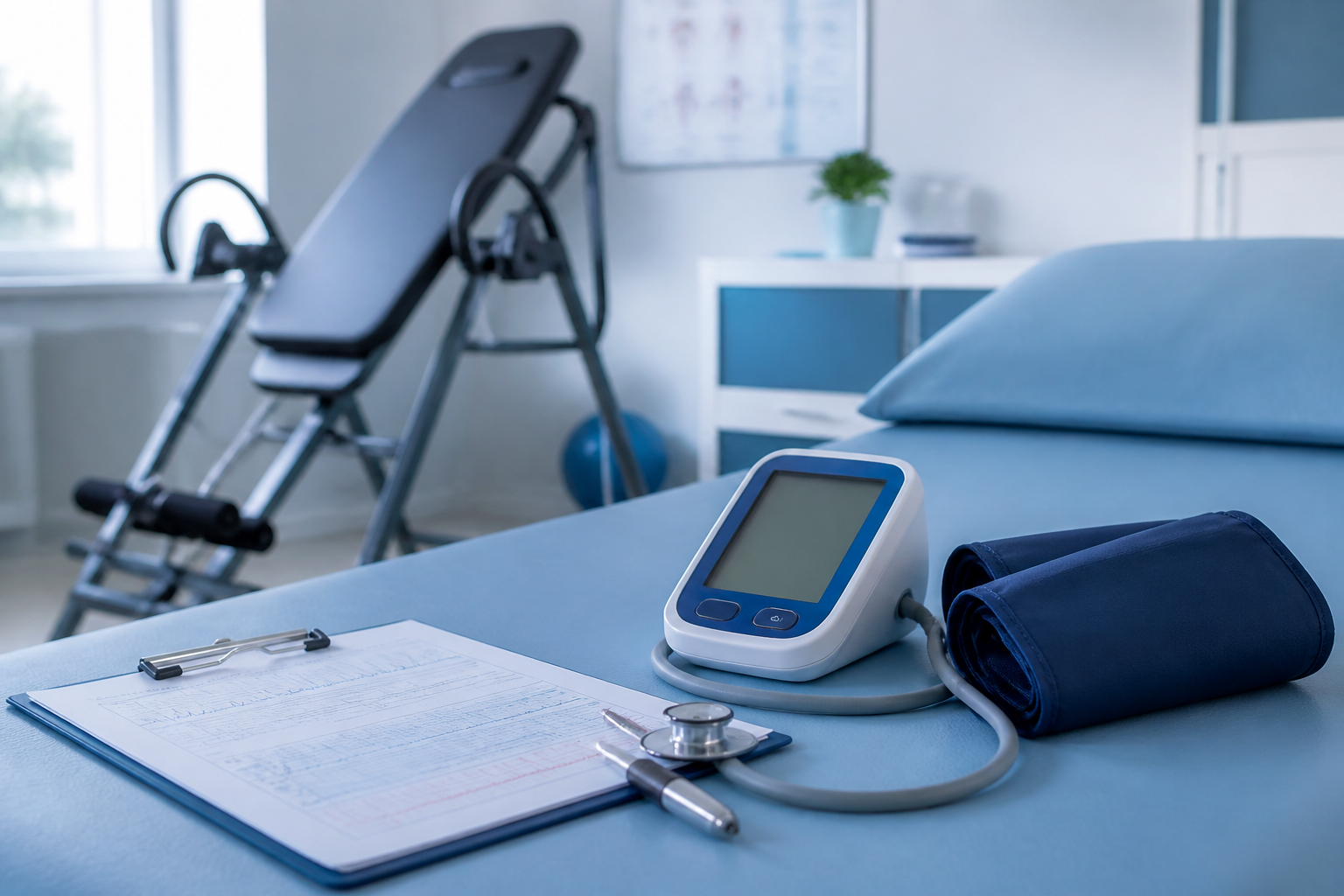
Blood pressure monitoring equipment in clinical setting

Most people believe inversion tables provide permanent back pain relief and work safely for everyone, but these claims are false. Inversion tables offer only temporary decompression that disappears when you stand upright, and they pose serious risks for people with high blood pressure, glaucoma, heart conditions, and other common health issues. The devices apply uncontrolled …

Read more

Herniated Disc Compressing a Nerve? How Inversion Tables May Help

Herniated Disc Compressing a Nerve? How Inversion Tables May Help

Inversion tables create spinal decompression through gravity, which reduces pressure on herniated discs and may help retract bulging disc material away from compressed nerves. Recent research shows non-surgical spinal decompression achieved 9-78% disc herniation reductions in verified MRI studies, with all patients becoming pain-free.[1] Inversion therapy works similarly by using your body weight to stretch …

Read more

Inversion Table Hurts Your Lower Back? Fix It Safely

Man with back pain grimacing while holding his lower back on an inversion table.

You bought an inversion table to ease pain, yet now your inversion table hurts your lower back more than before. That feels scary and confusing. The encouraging part is that very often it is fixable user error, not a faulty table. When angle, time, or health conditions fall outside safe guidelines, inversion can stress joints …

Read more