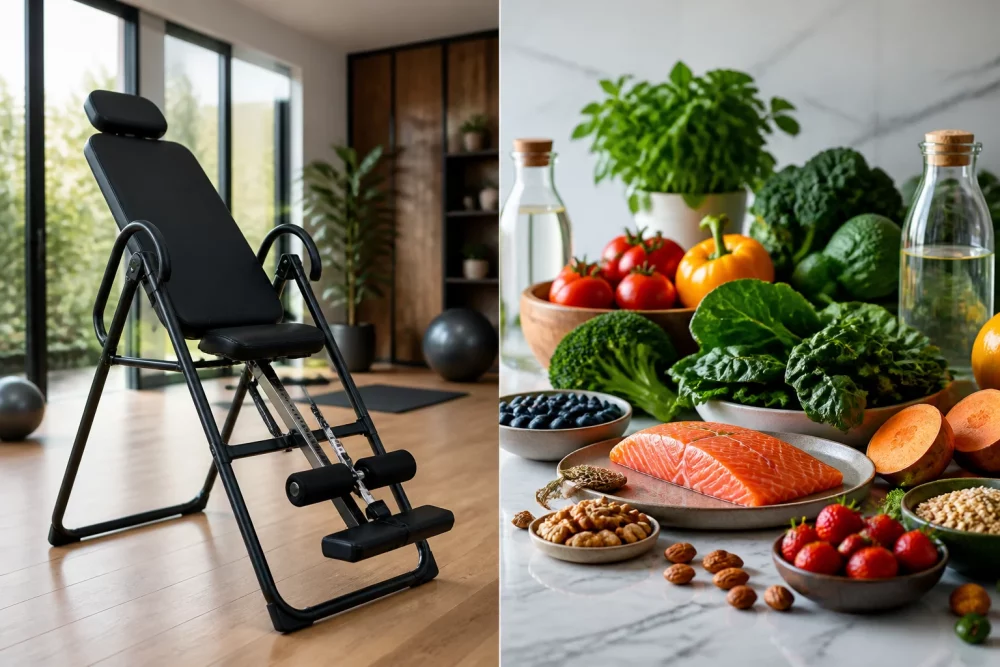
The foods you eat directly impact how well your body responds to inversion table therapy by supporting spinal disc hydration, reducing inflammation, and improving circulation. A diet rich in anti-inflammatory foods, adequate hydration, and nutrients that support joint health can amplify the decompression benefits of inversion therapy, helping you achieve better pain relief and faster recovery. Combining smart nutrition with regular inversion sessions creates a synergistic effect that neither approach delivers alone.
Key Takeaways
Spinal discs rely on moisture and nutrients delivered through circulation, which inversion therapy and proper hydration both enhance
Anti-inflammatory foods like fatty fish, berries, and leafy greens reduce the inflammation that contributes to back pain
Hydration is critical because spinal discs are 80% water and need constant fluid replenishment during decompression
Protein and collagen-rich foods support the connective tissues that benefit from inversion stretching
Avoiding inflammatory foods (processed sugars, trans fats) prevents undermining your inversion table gains
Timing matters: eating a light meal 1-2 hours before inversion prevents discomfort while maintaining energy
Combining diet with inversion therapy showed a 75% improvement rate in a 2021 study when paired with lifestyle changes[2]
Magnesium and calcium support muscle relaxation, which enhances the tension-relief benefits of inversion
Omega-3 fatty acids improve circulation to compressed areas that inversion targets
Consistency with both habits delivers compounding benefits over 6-8 weeks
Why Does Diet Matter for Inversion Table Therapy?
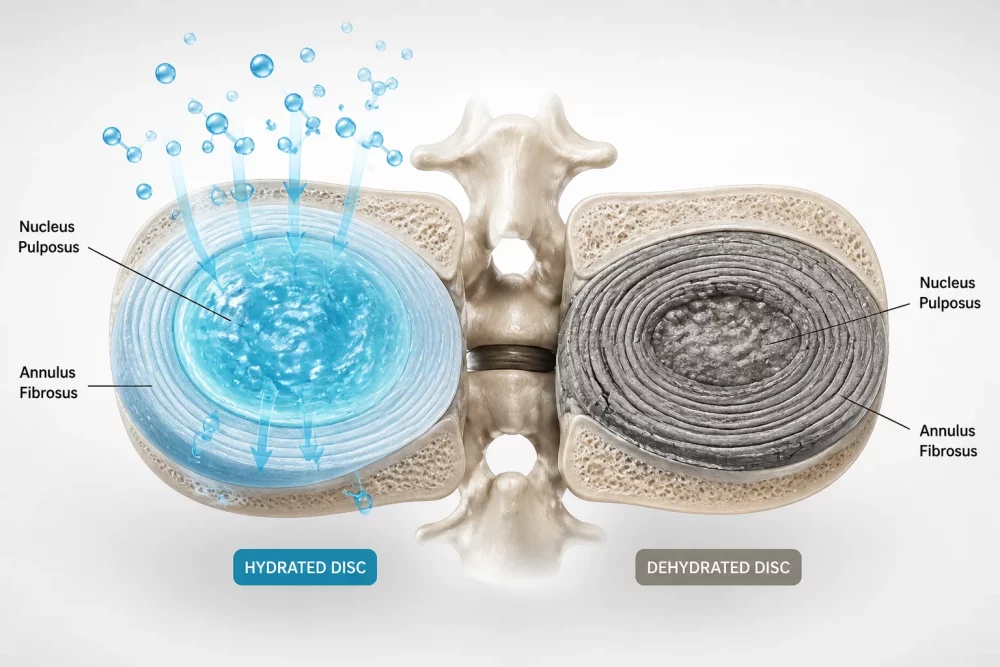
Diet matters because your spinal discs are avascular (they lack direct blood supply) and depend entirely on fluid movement to receive nutrients and oxygen. When you use an inversion table, you create space between vertebrae and reduce pressure to near-zero, which allows discs to rehydrate and absorb nutrients more effectively during those critical 3-5 minute sessions[3]. If your body lacks proper hydration and the raw materials for tissue repair, inversion therapy can only do half its job.
Research shows that inversion therapy works best as part of a comprehensive approach that includes exercise, stress management, and a balanced diet[1]. Think of it this way: inversion creates the opportunity for healing by decompressing your spine, but nutrition provides the building blocks your body needs to actually repair and strengthen those tissues.
Common mistake: Using an inversion table regularly while maintaining a diet high in inflammatory foods like processed sugars and trans fats, which actively work against the anti-inflammatory benefits of spinal decompression.
What Foods Support Spinal Disc Health During Inversion?
Foods that support spinal disc health include those rich in water content, anti-inflammatory compounds, and nutrients that build connective tissue. Your discs are approximately 80% water, so hydration-focused nutrition directly impacts their ability to decompress and rehydrate during inversion sessions.
Top foods for inversion table users:
Fatty fish (salmon, mackerel, sardines) – provide omega-3s that reduce inflammation and improve circulation
Leafy greens (spinach, kale, collards) – deliver calcium, magnesium, and vitamin K for bone and tissue health
Berries (blueberries, strawberries) – packed with antioxidants that fight oxidative stress in compressed tissues
Nuts and seeds (walnuts, chia, flax) – offer healthy fats and magnesium for muscle relaxation
Bone broth – supplies collagen and amino acids that support disc cartilage
Water-rich vegetables (cucumbers, celery, bell peppers) – contribute to overall hydration
Citrus fruits – vitamin C supports collagen production in spinal ligaments
Choose water-rich and anti-inflammatory foods if you’re using inversion therapy for chronic back pain or disc issues. Choose protein and collagen sources if you’re focused on tissue repair and flexibility gains.
How Does Hydration Amplify Inversion Table Benefits?
Hydration amplifies inversion benefits by ensuring your spinal discs have adequate fluid available to absorb during decompression. When you hang inverted, the reduced pressure creates a vacuum effect that draws moisture and nutrients into the disc space, but this only works if your body has sufficient fluid reserves.
Hydration guidelines for inversion users:
Drink at least 8-10 glasses of water daily (more if you exercise regularly)
Consume water 30-60 minutes before your inversion session
Include electrolyte-rich beverages if you sweat heavily during workouts
Eat water-dense foods throughout the day (watermelon, oranges, soup)
Limit dehydrating beverages like coffee and alcohol around inversion times
In a 2021 study on lumbar disc disease, participants who used inversion tables daily for 6 weeks (with lifestyle modifications including proper hydration) reported 75% less pain and better functionality[2]. While the study didn’t isolate hydration alone, experts note that disc rehydration is a primary mechanism of inversion therapy’s effectiveness.
Edge case: If you have kidney issues or take diuretics, consult your doctor about appropriate hydration levels, as excessive water intake can be problematic.
Which Foods Should You Avoid Before Using an Inversion Table?
Avoid heavy, fatty, or gas-producing foods within 2 hours of inversion sessions because being inverted can cause digestive discomfort, acid reflux, or nausea. The inverted position puts pressure on your digestive system and can push stomach contents toward your esophagus.
Foods to skip before inversion:
Large meals of any kind (wait at least 2 hours)
Carbonated beverages (create gas and bloating)
Spicy foods (increase reflux risk)
High-fat foods (slow digestion)
Beans and cruciferous vegetables (cause gas)
Alcohol (affects balance and blood pressure)
Foods that undermine long-term results:
Processed sugars – promote inflammation throughout the body
Trans fats – found in fried foods and baked goods, increase inflammatory markers
Refined carbohydrates – spike blood sugar and contribute to tissue inflammation
Excessive sodium – causes water retention and can increase blood pressure during inversion
Artificial additives – some preservatives trigger inflammatory responses
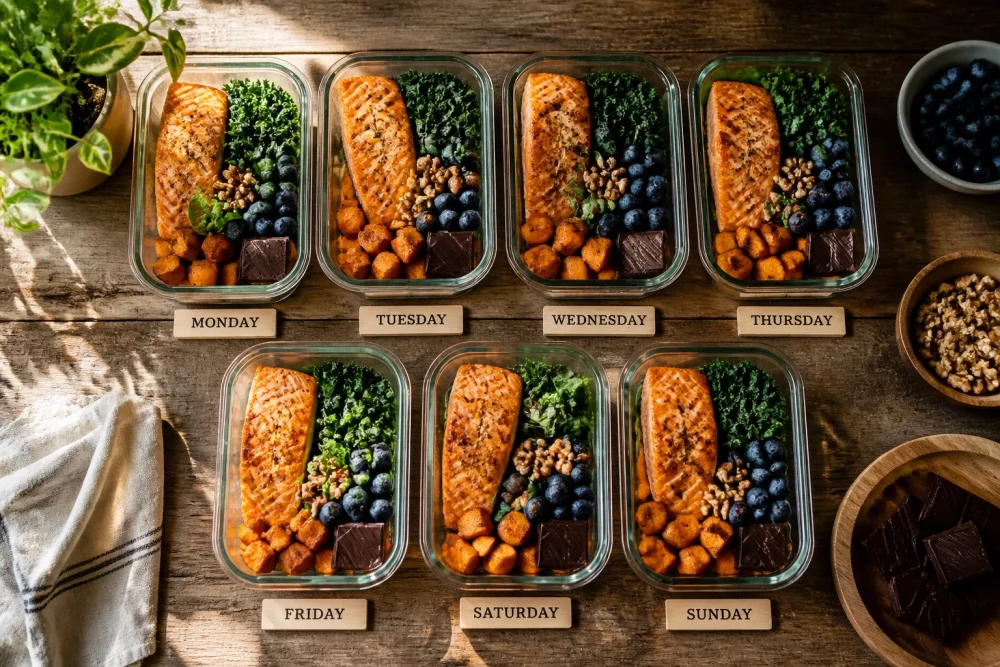
Better approach: Eat a light, balanced meal 1-2 hours before inversion that includes lean protein and vegetables. This maintains energy without causing digestive issues.
How Do Anti-Inflammatory Foods Enhance Inversion Therapy Results?
Anti-inflammatory foods enhance inversion results by reducing the underlying inflammation that contributes to back pain, muscle tension, and nerve compression. When you combine the mechanical decompression of inversion with the biochemical benefits of an anti-inflammatory diet, you address back pain from multiple angles simultaneously.
Inversion therapy reduces pressure on spinal discs and nerves, and in one study of 85 patients with lumbar disc protrusions, those who used inversion therapy had a 2-year surgery rate of 21% compared to 39% in controls[5]. Pairing this mechanical relief with nutrition that calms inflammation can potentially amplify these protective effects.
Anti-inflammatory eating pattern for inversion users:
Food CategoryExamplesKey BenefitsFatty FishSalmon, sardines, mackerelOmega-3s reduce inflammatory cytokinesColorful VegetablesPeppers, tomatoes, beetsAntioxidants combat oxidative stressHealthy FatsOlive oil, avocados, nutsSupport cell membrane healthHerbs & SpicesTurmeric, ginger, garlicNatural anti-inflammatory compoundsWhole GrainsQuinoa, brown rice, oatsFiber reduces inflammatory markersDark Chocolate70%+ cacaoFlavonoids support circulation
Decision rule: If you have chronic inflammation (indicated by conditions like arthritis or persistent back pain), prioritize anti-inflammatory foods daily rather than occasionally. If you’re using inversion for general wellness, incorporate these foods 4-5 times weekly.
What Nutrients Support the Tissues That Benefit from Inversion?
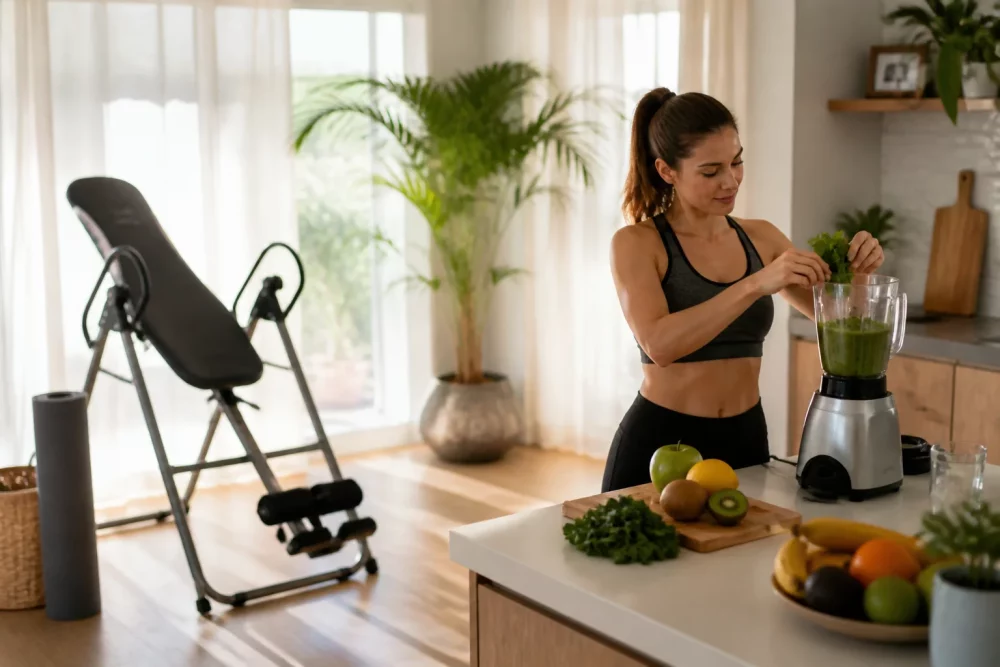
The tissues that benefit most from inversion therapy—spinal discs, ligaments, muscles, and connective tissue—require specific nutrients for repair and maintenance. Inversion creates the mechanical conditions for healing, but nutrition provides the raw materials.
Essential nutrients for inversion therapy users:
Collagen and Protein (15-20g per meal) – rebuild disc cartilage and ligaments
Vitamin C (75-90mg daily) – necessary for collagen synthesis
Magnesium (310-420mg daily) – relaxes muscles and reduces cramping
Calcium (1000-1200mg daily) – maintains bone density around decompressed areas
Vitamin D (600-800 IU daily) – enhances calcium absorption and reduces inflammation
Glucosamine and Chondroitin – support cartilage health (though evidence is mixed)
Omega-3 fatty acids (250-500mg EPA/DHA daily) – improve circulation to compressed tissues
A small study in women with chronic lower back pain showed reduced pain and improved flexibility after 8 weeks of inversion therapy, with experts noting that diet and exercise integration boosts such outcomes[2]. The combination approach addresses both the mechanical and nutritional needs of healing tissues.
Common mistake: Focusing only on calcium for bone health while neglecting magnesium, which is equally important for muscle relaxation during and after inversion sessions.
How Long Does It Take to See Combined Results?
Most people notice combined results from inversion therapy and improved nutrition within 6-8 weeks of consistent practice. The timeline depends on the severity of your condition, how regularly you use the inversion table (typically 3-5 times weekly), and how thoroughly you’ve changed your eating habits.
Typical timeline for combined approach:
Week 1-2: Immediate relief from inversion sessions, beginning dietary changes
Week 3-4: Reduced inflammation from diet starts supporting inversion gains
Week 5-6: Noticeable improvement in pain levels and flexibility
Week 7-8: Sustained benefits become apparent, tissues show better hydration
Beyond 8 weeks: Long-term maintenance phase with compounding benefits
Research supports this timeframe. In the 2021 study mentioned earlier, participants used inversion tables daily for 6 weeks with lifestyle modifications and achieved significant improvements[2]. Another study showed benefits after 8 weeks of consistent therapy[2].
Choose this combined approach if you have chronic back pain, disc issues, or poor posture. It’s less necessary if you’re using inversion occasionally for general wellness, though good nutrition always helps.
What Does a Sample Day Look Like for Optimal Results?
A sample day that optimizes both inversion therapy and nutrition includes strategic timing of meals, hydration, and inversion sessions to maximize benefits while avoiding discomfort.
Morning (7:00 AM)
Drink 16 oz water upon waking
Breakfast: Greek yogurt with berries, walnuts, and chia seeds
Wait 60-90 minutes
Mid-Morning (9:00 AM)
5-minute inversion session at 20-30 degrees
Light stretching afterward
Hydrate with water
Lunch (12:30 PM)
Grilled salmon over mixed greens with olive oil dressing
Quinoa and roasted vegetables
Herbal tea
Afternoon (3:00 PM)
Snack: Apple slices with almond butter
Continue hydrating
Evening (5:30 PM)
Second inversion session (5-7 minutes) before dinner
Wait 30 minutes, then eat
Dinner (6:30 PM)
Chicken bone broth soup
Sweet potato and steamed broccoli
Small piece of dark chocolate
Before Bed
Light stretching
Chamomile tea
This schedule spaces inversion sessions away from large meals, maintains consistent hydration, and includes anti-inflammatory foods throughout the day. Adjust timing based on your schedule, but maintain the principle of light eating before inversion.
FAQ
Can I use an inversion table on an empty stomach?
Yes, using an inversion table on an empty stomach is safe and often more comfortable than inverting after eating. Just ensure you’re adequately hydrated and not feeling weak from hunger.
Do I need supplements if I eat well and use an inversion table?
Most people get sufficient nutrients from a balanced diet, but supplements like omega-3s, vitamin D, or magnesium can help if you have deficiencies or difficulty meeting needs through food alone. Consult your doctor before starting supplements.
How much water should I drink on inversion therapy days?
Aim for at least 8-10 glasses (64-80 oz) of water daily, with an extra 8-16 oz on days you use the inversion table. Increase intake if you exercise or live in a hot climate.
Will coffee before inversion affect my results?
Coffee is mildly dehydrating and can increase blood pressure temporarily, which may not be ideal before inversion. If you drink coffee, have it at least 30 minutes before inverting and drink extra water to compensate.
Can diet alone fix back pain without an inversion table?
Diet can reduce inflammation and support tissue health, but it won’t provide the mechanical decompression that inversion therapy offers. The combination is more effective than either approach alone for most people.
What if I have dietary restrictions or allergies?
Focus on anti-inflammatory foods within your dietary constraints. For example, if you’re allergic to fish, get omega-3s from flaxseeds, chia seeds, or algae-based supplements. If you’re lactose intolerant, choose leafy greens and fortified plant milks for calcium.
How soon after eating can I safely use an inversion table?
Wait at least 1-2 hours after a light meal and 2-3 hours after a heavy meal before inverting to avoid digestive discomfort and reflux.
Do I need to eat differently on rest days from inversion?
Maintain your anti-inflammatory eating pattern on all days for consistent results. Your body continues repairing tissues even when you’re not actively using the inversion table.
Can poor diet completely cancel out inversion table benefits?
A highly inflammatory diet can undermine some benefits by maintaining chronic inflammation, but inversion will still provide mechanical decompression. You’ll simply get better, longer-lasting results with improved nutrition.
Are there specific foods that speed up disc rehydration?
Water-rich foods (cucumbers, watermelon, celery) and those high in electrolytes (coconut water, leafy greens) support overall hydration, which aids disc rehydration during inversion sessions.
Should I change my diet if I only use the inversion table occasionally?
Even occasional inversion users benefit from anti-inflammatory eating, though it’s less critical than for those with chronic pain using inversion regularly. Good nutrition supports overall health regardless of inversion frequency.
Can I eat immediately after an inversion session?
Yes, you can eat right after inverting. In fact, having a protein-rich snack within 30-60 minutes can support tissue repair that inversion therapy stimulates.
Conclusion
The connection between food choices and inversion table results isn’t just theoretical—it’s a practical partnership where mechanical decompression meets nutritional support. Your spinal discs need both the space that inversion creates and the nutrients that proper eating provides to truly heal and strengthen.
Take these action steps today:
Start with hydration: Commit to drinking 8-10 glasses of water daily, beginning tomorrow morning
Add one anti-inflammatory food: Incorporate fatty fish, berries, or leafy greens into your meals this week
Time your meals: Schedule inversion sessions 1-2 hours after eating to avoid discomfort
Remove one inflammatory food: Identify your biggest dietary culprit (processed sugar, trans fats, excessive alcohol) and reduce it by half
Track your progress: Keep a simple log of your inversion sessions, meals, and pain levels for 6 weeks to see patterns
Remember that combining inversion therapy with smart nutrition isn’t about perfection—it’s about consistency. Small, sustainable changes in what you eat will compound over weeks and months, amplifying the relief and recovery that your inversion table provides. Start with one or two changes, build the habit, then add more as you go.
Your spine is working hard to support you every day. Give it the mechanical relief of inversion therapy and the nutritional support of whole, anti-inflammatory foods, and you’ll be amazed at how much better you can feel.
References
[1] Discover The Surprising Health Benefits Of Inversion Therapy Tables – https://yourhealthmagazine.net/article/health-wellness-tips/discover-the-surprising-health-benefits-of-inversion-therapy-tables/
[2] Inversion Therapy – https://www.goodrx.com/conditions/musculoskeletal/inversion-therapy
[3] Watch – https://www.youtube.com/watch?v=triMPl_-CN8
[4] Inversion Tables For Back Pain Do They Work – https://www.doctronic.ai/blog/inversion-tables-for-back-pain-do-they-work/
[5] 3 Facts Every Dc Must Know About Inversion Therapy – https://chiroup.com/blog/3-facts-every-dc-must-know-about-inversion-therapy