Introduction
Back pain makes even simple tasks hard, and choosing between an inversion table vs chiropractic care can get confusing fast. Many people want relief without surgery or heavy medication but are not sure which path fits their back.
Ads, online forums, and mixed advice from friends can stir up more doubt. One person swears by their chiropractor, another loves their inversion table, and a third says neither helped.
When I say inversion table vs chiropractic, I am comparing a home traction device with hands-on, clinic-based care. In general:
Chiropractic spinal decompression fits people with herniated discs, sciatica, or long-lasting nerve pain.
Inversion tables fit those with mild, mechanical pain or as a follow up once a doctor clears the spine.
In this guide, I walk through how each method works, what they tend to help most, their limits, safety issues, and how they can work together.
By the end, it should feel much easier to match your back pain and lifestyle to the right plan.
Key Takeaways
Before I go into details, here are the main ideas to keep in mind. These points give a quick snapshot of how inversion tables and chiropractic care compare.
Method: Inversion tables use gravity at home to stretch the whole spine. Chiropractic decompression uses clinic equipment and a chiropractor’s skill to target one problem area with careful control.
Cost: An inversion table is a single purchase you can use for years. Chiropractic care involves repeated visits, exams, and follow ups that add up over time.
Best fit: Chiropractic decompression usually fits herniated discs and sciatica. Inversion tables usually fit general stiffness and simple muscle tightness once a doctor has checked for serious issues.
“The best treatment is the one that matches your diagnosis and your lifestyle.”
— Common saying among spine specialists
How Do Inversion Tables and Chiropractic Care Actually Work?
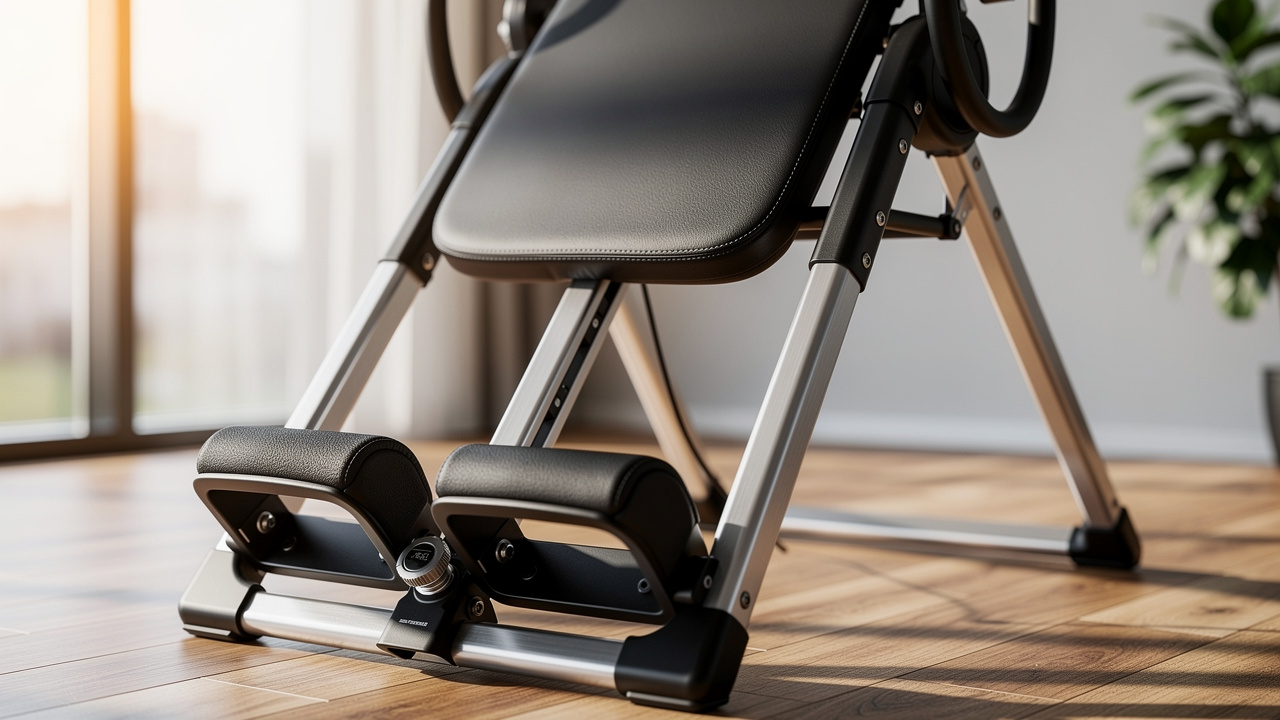
This section explains how inversion tables work on the spine and how chiropractic decompression works in a clinic. Understanding the mechanics behind each method makes the inversion table vs chiropractic decision far clearer.
An inversion table is a padded board on a pivot frame with ankle supports. I strap my ankles in, lean back, and the frame slowly tips my body so my head moves closer to the floor. At gentle angles around twenty to thirty degrees, gravity pulls my body weight in the opposite direction from normal standing. That gentle pull slightly widens the gaps between vertebrae and eases pressure on the discs.
As the spine lengthens, tight muscles along the back get a slow stretch. Blood flow to the area can improve, which may help sore muscles calm down after sitting or workouts. According to research on the Recommendations for inversion table therapy published on PubMed, adults with long term lower back pain felt less pain after doing short inversion sessions several times a week over eight weeks. The whole process is passive, and I control angle and time from home.
A simple inversion session usually looks like this:
Lock ankles into the supports.
Lean back and let the table tilt to a mild angle.
Stay relaxed for one to five minutes.
Return to upright very slowly and pause before stepping off.
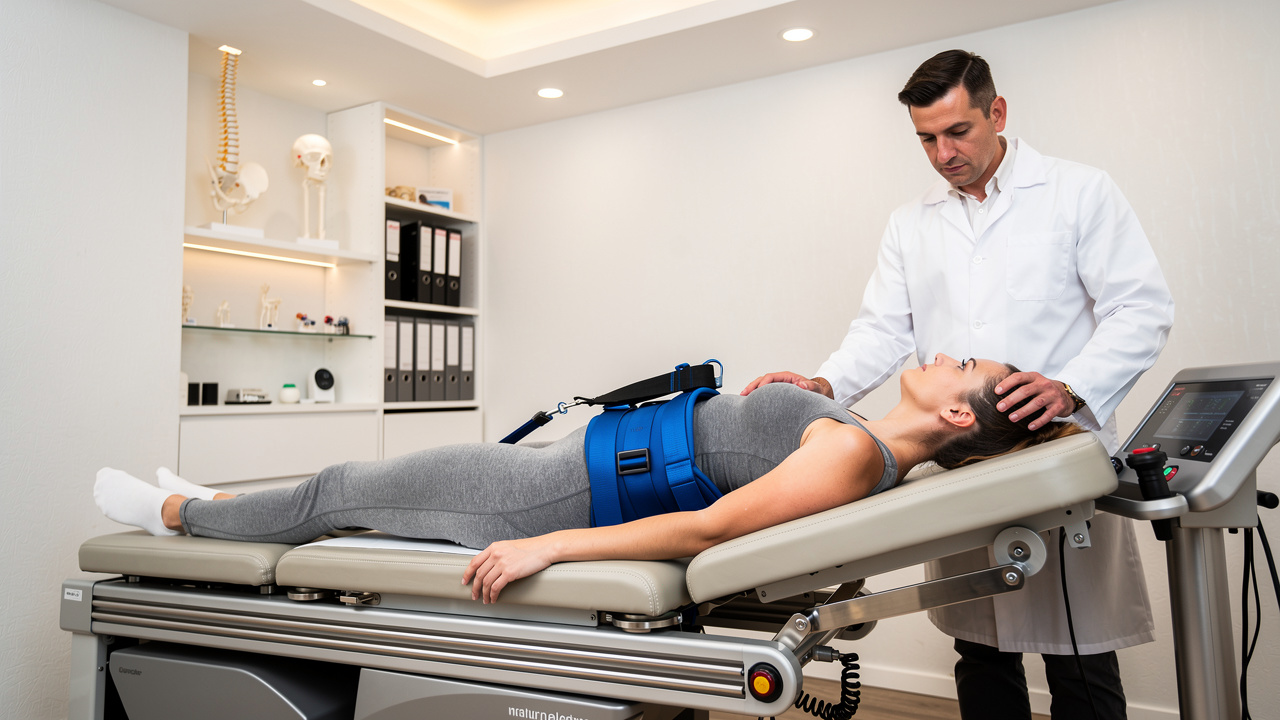
Chiropractic spinal decompression works very differently. In a clinic, I lie flat on a special traction table, such as a Back on Trak style system, with a padded harness around my hips. A computer controls how much pull the machine applies and at what angle that pull reaches my spine. The chiropractor programs the settings to match the exact disc level that shows up on imaging or exam.
During a session, the table gently cycles between pulling and relaxing. This rhythm creates a slight negative pressure, or vacuum effect, inside the target disc. That change can draw bulging disc material inward, away from nearby nerves, and can draw more fluid and nutrients into damaged tissue. Research shared by the American Chiropractic Association notes that many patients with chronic back pain choose chiropractic methods because of this focused approach. While inversion works on the entire spine, clinical decompression zooms in on one trouble spot.
A typical decompression visit often includes:
A quick symptom check and position adjustment.
Strapping into the table with a comfortable harness.
Ten to twenty minutes of gentle pull and release cycles.
Follow-up advice on stretches or activity for the rest of the day.
Inversion Table vs Chiropractic: Benefits and Limitations of Each
Now I want to look honestly at what each option usually does well and where it falls short. When I compare inversion table vs chiropractic care in real life, I see very different strengths.
For inversion tables, the first clear plus is convenience. Once I buy a model that fits my height and weight, I have access to gentle traction any day without booking a visit. This is where Best Inversion Table Reviews shines, since our guides help people pick safe, sturdy equipment instead of guessing online. Another plus is that even short, shallow sessions can relax tight back muscles and may help posture by fighting the compressive effect of long sitting hours.
You can think of the main benefits of inversion tables like this:
On-demand home use with no travel time.
Short sessions that fit into busy days.
Whole-spine stretching that can ease muscle tension.
One-time purchase that can last many years with proper care.
The limits of inversion therapy matter just as much:
Gravity stretches every level of the spine in a broad way, so I cannot aim the force at a single damaged disc.
Relief tends to be short lived for serious disc problems because the pull is not strong or focused enough to reshape disc tissue.
In some people with severe disc disease or nerve compression, that broad stretch can even irritate symptoms.
Chiropractic care has almost the opposite profile. With spinal decompression tables and skilled hands, a chiropractor can focus on one or two injured segments. The computer system controls pull, angle, and timing on a very fine scale. Research on the Effects of Inversion Table postural positions published in Medicine & Science in Sports & Exercise describes how controlled traction can lower disc pressure and ease nerve irritation. Over multiple visits, that targeted pull may support disc healing by drawing more water and nutrients into the area.
Key advantages of chiropractic decompression include:
Precise targeting of one or two problem discs.
Professional supervision to adjust treatment in real time.
Custom settings for pull, angle, and timing based on imaging and exam findings.
Ability to combine decompression with adjustments, exercise, and lifestyle advice.
The tradeoff is cost and time. According to the National Institute of Neurological Disorders and Stroke, about eighty percent of adults face low back pain at some point, which means many people need repeated care. Each chiropractic session has a fee, and a full plan can include exams, imaging, and checkups. Some spine conditions, like severe fractures or advanced osteoporosis, also do not fit manual adjustments or traction and need medical care instead.
Here is a simple comparison to put these points side by side.
| Aspect | Inversion Table | Chiropractic Decompression |
|---|---|---|
| Main setting | Home use | Clinic with chiropractor |
| Targeting | Whole spine, general stretch | Specific disc or segment |
| Relief pattern | Short term for mild pain | Better for long term disc issues |
| Cost pattern | One purchase | Ongoing visit costs |
| Who controls force | User | Clinician and computer system |
“Motion is lotion for the spine.”
— Common phrase among physical therapists
Which Approach Works Best for Specific Back Conditions?

Different back problems respond better to different methods, so matching the right tool to the diagnosis matters.
When I weigh inversion table vs chiropractic care for people with herniated or bulging discs, chiropractic decompression usually wins. The vacuum effect from a system like Back on Trak can gently pull disc material away from nerves, which an inversion table’s broad gravity pull cannot do in a focused way.
For chronic sciatica, where pain, tingling, or weakness run down the leg, I again lean toward professional chiropractic care. A chiropractor can test which nerve root is pinched and aim traction at that exact level. Clinics like Cleveland Clinic note that targeted decompression often helps leg symptoms more than general stretching.
On the other hand, when pain is more like general stiffness after standing, lifting, or training, inversion tables can help a lot. Once a doctor has ruled out serious disc or nerve damage, short daily sessions at a safe angle may keep the spine moving well. Best Inversion Table Reviews focuses on this group by guiding people to tables that fit their body, budget, and space so home use feels realistic, not risky. If symptoms are mixed, severe, or hard to describe, I always suggest seeing a chiropractor or other spine specialist before starting inversion on your own.
A quick rule of thumb:
See a chiropractor first for:
Herniated or bulging discs
Sciatica or leg weakness
Numbness or tingling
History of serious spinal injury
Consider an inversion table (with medical clearance) for:
Mild, stable low back pain
Muscle tightness from sitting or lifting
General stiffness without clear nerve symptoms
Is Inversion Therapy Safe? Risks, Contraindications, and Who Should Avoid It
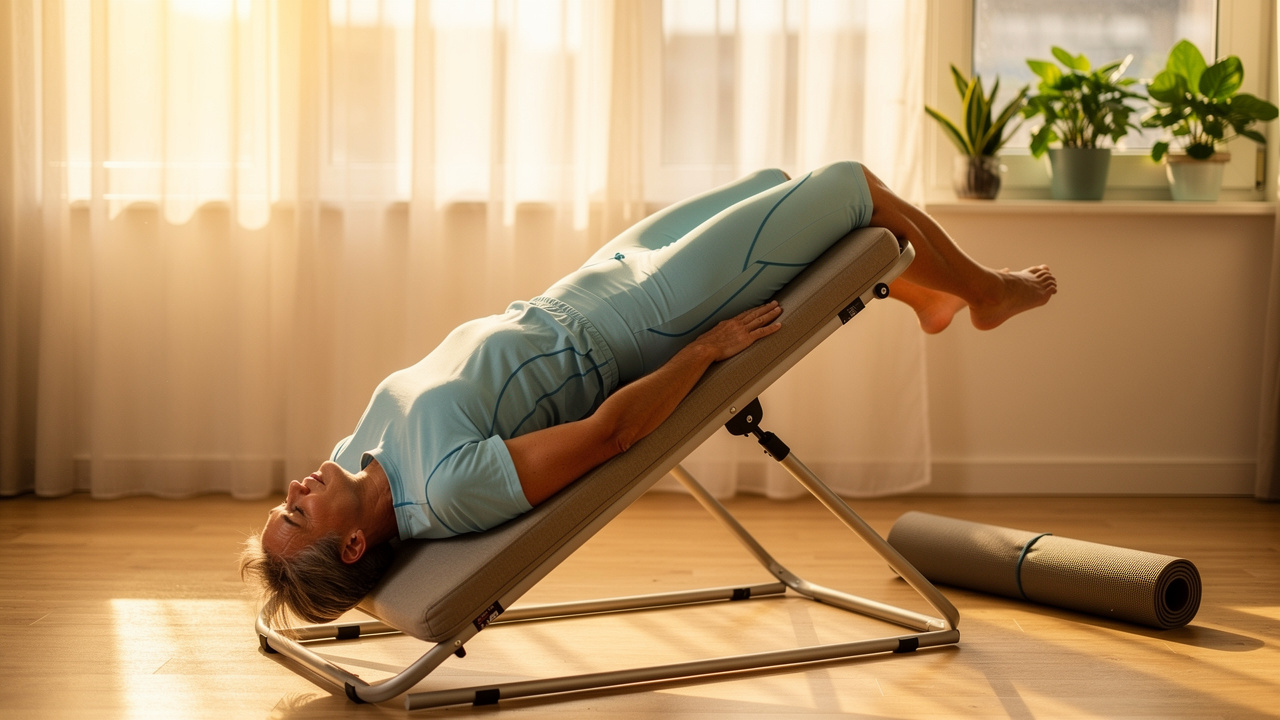
Safety is a major part of any inversion table vs chiropractic conversation, especially for older adults and anyone with medical conditions. Inversion therapy changes how blood flows through the body, and that change can be risky for some people.
When I hang partly or fully upside down, blood shifts toward my head and chest. Mayo Clinic explains that this spike can raise blood pressure and eye pressure for the length of the session. That is why inversion tables are usually off limits for people with:
Uncontrolled high blood pressure
Heart disease or heart rhythm problems
Glaucoma or other serious eye disease
History of stroke or mini-stroke
Vertigo, serious sinus problems, and inner ear disorders can also flare when the head dips below the heart.
Bone health and joint safety matter too. People with osteoporosis, recent fractures, or fresh spinal surgery are at higher risk for injury from traction. Seniors or anyone with poor balance may also struggle to bend down, lock their ankles, and control the tilt without help. According to the Centers for Disease Control and Prevention, almost half of US adults have high blood pressure, so many need medical clearance before even trying mild inversion.
Chiropractic spinal decompression has a different safety profile. During a session, I stay horizontal and strapped in, so there is no sudden shift of blood toward the head. The chiropractor can stop or adjust the machine right away if any discomfort shows up. Clinical groups such as the American Chiropractic Association describe decompression as gentle and suitable for many people who cannot hang upside down. That said, some conditions, like unstable fractures, infections, or severe bone thinning, still call for medical management, not traction.
For anyone thinking about buying a table, this is where guidance from places like Best Inversion Table Reviews matters. We highlight who should completely avoid inversion and who needs a doctor’s written clearance first, so safety comes before any purchase.
How to Use Both Together for Long-Term Back Health

When I look past the simple inversion table vs chiropractic question, the best results often come from using both in a smart order. A chiropractor handles diagnosis and active treatment, while an inversion table becomes a home tool for maintenance once the spine is stable.
For moderate to severe disc problems or long lasting sciatica, I usually suggest starting with a full chiropractic plan. The chiropractor can use exams and imaging to confirm what is wrong and then set up a schedule of decompression sessions, adjustments, and exercises. Research on the Cost-effectiveness of spinal manipulation, exercise, and self-management for spinal pain supports pairing traction with core strengthening and stretching to support long term recovery.
A common mixed plan can look like this:
Assessment phase: History, exam, and imaging with a chiropractor or spine doctor.
Active treatment phase: Several weeks of decompression, adjustments, and guided exercise.
Re-evaluation: Check progress, adjust visit frequency, and decide whether home tools make sense.
Maintenance phase: Add gentle inversion (if cleared) plus ongoing exercises and periodic checkups.
After that active care phase, gentle inversion at home can help maintain gains, if the doctor agrees it is safe. A common pattern is one to five minutes per session at twenty to thirty degrees, once or twice a day. I stay at those mild angles, move into and out of position very slowly, and stop right away if pain spreads, tingling appears, or headaches show up. Keeping a simple log of time, angle, and symptoms helps spot patterns early.
Best Inversion Table Reviews acts as a bridge between the clinic and your living room in this phase. We break down which tables adjust easily, support taller or heavier users, and have safer ankle locking systems for older adults. We also share progressive use plans, so you do not jump straight into full inversion on day one. Used with that kind of guidance and with medical clearance, an inversion table can turn into a steady, low effort way to care for your back at home.
Locking In Your Decision: Inversion Table or Chiropractor?
Choosing between an inversion table vs chiropractic care comes down to your diagnosis, medical history, and budget. People with herniated discs, strong leg pain, or nerve symptoms usually belong in a chiropractic office first, where targeted decompression and hands-on care can address the root problem.
Those with mild, stable back pain, muscle tightness, or desk-work stiffness may benefit from a quality inversion table once a doctor says it is safe. In that case, Best Inversion Table Reviews helps sort through models so you spend money on a table that actually fits your body and space. If pain is sharp, spreading, or lasts for weeks, I always suggest seeing a professional first, then adding home inversion later if it fits your plan.
Frequently Asked Questions
Question: Can an inversion table replace chiropractic care entirely?
An inversion table cannot fully replace chiropractic care. It may ease mild compression and muscle tightness, but it cannot diagnose disc damage, correct joint mechanics, or manage complex nerve issues. I see inversion therapy as a helpful home add-on, not a stand in for professional assessment and treatment.
Question: How long does it take to see results from an inversion table?
Some people feel muscle relief within their first few short sessions. Studies available through Recommendations for inversion table therapy on PubMed found meaningful pain reduction after several weeks of regular, brief inversions. In my view, four to eight weeks of careful daily use is a fair test period.
Question: How often should I use an inversion table for back pain?
Most beginners do well starting once per day at a gentle angle for one to five minutes. If that feels good, some move to twice daily sessions while still keeping each one short. I never go beyond about fifteen minutes per session and always watch for new or worse symptoms.
Question: Is chiropractic spinal decompression covered by insurance?
Many health insurance plans offer at least partial coverage for chiropractic care and spinal decompression. The exact benefits depend on the company and policy. Before starting a plan, I always suggest calling the insurer or checking the online portal so there are no surprises about visit limits or copays.
Question: When should I stop using an inversion table and see a chiropractor?
Stop inversion right away if pain shoots down a leg, numbness or tingling appears, or symptoms spike after sessions. If back pain hangs around longer than a few weeks or you have a history of disc issues, schedule a chiropractic or medical visit to check for deeper problems.
Conclusion
Back pain rarely has a simple, one size fits all answer, so comparing inversion table vs chiropractic care in detail matters. Inversion tables offer budget friendly, at home stretching that can help with mild, mechanical pain and daily spinal care once a doctor approves. Chiropractic decompression and hands-on treatment better match herniated discs, nerve compression, and long lasting sciatica.
For many people, the best plan uses both methods in stages. Professional diagnosis and clinic care come first, then a carefully chosen table from a source like Best Inversion Table Reviews supports long term maintenance. When in doubt, I always recommend talking with a doctor or chiropractor before hanging upside down, then using clear guidance to build a safe home routine.