
Inversion tables are dangerous for people with high blood pressure, heart disease, glaucoma, pregnancy, hernias, osteoporosis, stroke history, or blood clots. The inverted position dramatically increases blood pressure and intracranial pressure, which can trigger strokes, vessel ruptures, or worsen existing conditions. Always consult a physician before using an inversion table, especially if you have any chronic health condition or take prescription medications.
Key Takeaways
High blood pressure patients must avoid inversion tables because hanging upside down significantly raises blood pressure and can cause dangerous spikes
Heart disease and cardiovascular conditions make inversion therapy extremely risky due to increased strain on the heart and elevated stroke risk
Glaucoma and eye diseases can worsen rapidly from the increased ocular pressure during inversion
Pregnant women should never use inversion tables due to pressure changes and positioning risks
Osteoporosis, recent fractures, and spinal instability create high injury risk from the forces applied during inversion
Blood thinners and blood pressure medications interact dangerously with inversion therapy’s physiological effects
Even proper use can cause severe injuries, including documented cases of spinal damage from correct operation
Consult your doctor before trying inversion therapy if you have any chronic condition or take regular medications
Who Has Cardiovascular Conditions That Make Inversion Tables Dangerous?
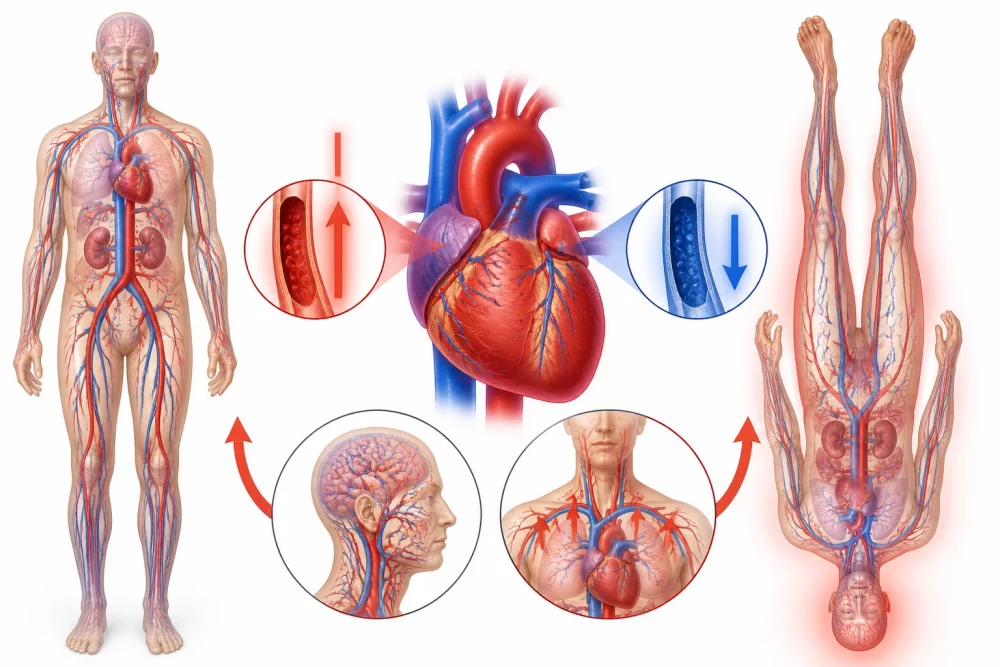
People with high blood pressure, heart disease, or any cardiovascular condition should not use an inversion table. When you hang upside down, gravity forces more blood toward your head and upper body, causing blood pressure to spike significantly and placing extreme stress on your heart and blood vessels.
Specific cardiovascular contraindications include:
Hypertension (high blood pressure) – Inversion causes immediate and dramatic blood pressure increases that can trigger hypertensive crises
Heart disease or heart failure – The cardiovascular strain from inversion slows heart rate while increasing workload
History of stroke – Elevated intracranial pressure during inversion raises stroke risk substantially
Blood clots or clotting disorders – Pressure changes can dislodge clots or worsen circulation issues
Arrhythmias or irregular heartbeat – Inversion affects heart rhythm and can trigger dangerous episodes
Common mistake: Thinking that starting at a gentle angle makes inversion safe for heart conditions. Even mild inversion (15-20 degrees) increases blood pressure and cardiovascular strain. There’s no “safe” angle if you have heart or blood pressure issues.
Choose alternative therapies if you have any cardiovascular diagnosis, take blood pressure medications, or have a family history of stroke. Physical therapy, gentle stretching, and targeted exercises provide back pain relief without cardiovascular risks.
What Eye Conditions Prohibit Inversion Table Use?
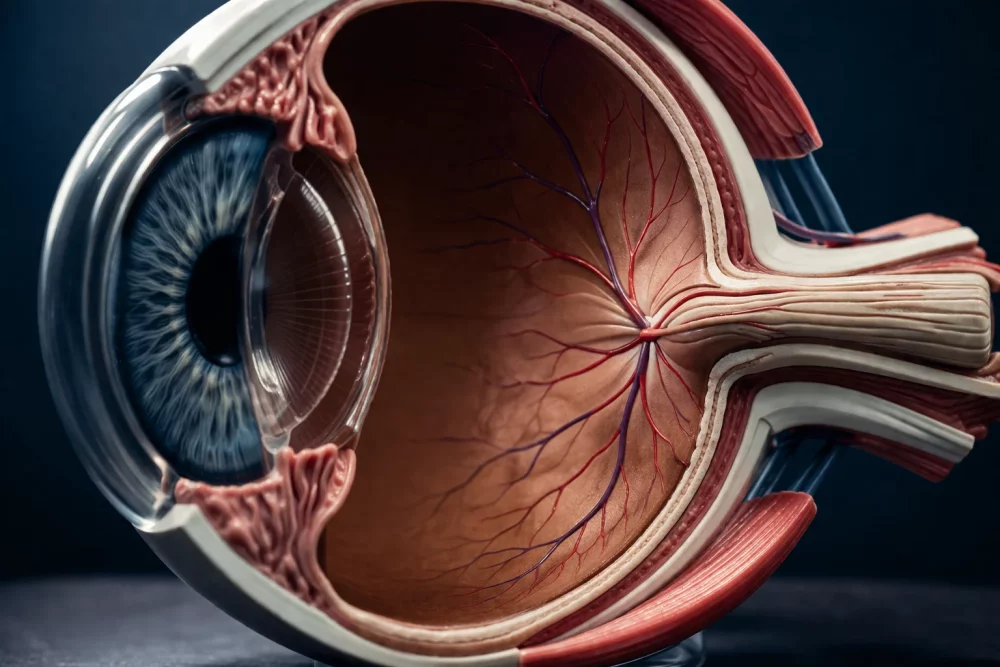
Anyone with glaucoma, detached retina, eye disease, or elevated eye pressure must avoid inversion tables completely. The inverted position raises intraocular pressure (pressure inside the eye) and intracranial pressure, which can rupture delicate blood vessels, damage the optic nerve, or cause permanent vision loss.
Eye-related contraindications:
Glaucoma – Inversion dramatically increases eye pressure, accelerating optic nerve damage
Detached or torn retina – Pressure changes can worsen retinal separation and cause blindness
Conjunctivitis (pink eye) – Increased pressure worsens inflammation and discomfort
Recent eye surgery – Healing tissues can’t withstand pressure fluctuations
Macular degeneration – Pressure changes may accelerate vision deterioration
The risk isn’t theoretical. Inversion raises ocular pressure enough to potentially rupture small vessels in the eye, leading to hemorrhage or irreversible damage. People with glaucoma already struggle with elevated eye pressure, and inversion makes this condition significantly worse.
Edge case: Even if you have healthy eyes but experience visual disturbances, floaters, or occasional eye pressure, discuss inversion therapy with an ophthalmologist before trying it. Some eye conditions develop silently without obvious symptoms.
Why Can’t Pregnant Women Use Inversion Tables?
Pregnancy is an absolute contraindication for inversion table use. The risks from pressure changes, altered blood flow, and unusual positioning far outweigh any potential benefits for back pain relief during pregnancy.
Pregnancy-specific risks include:
Altered blood flow to the uterus – Inversion changes circulation patterns that support fetal development
Increased blood pressure – Pregnancy already stresses the cardiovascular system; inversion compounds this
Balance and coordination changes – Pregnancy affects balance, increasing fall risk when using equipment
Ligament laxity – Pregnancy hormones loosen ligaments, making joints more vulnerable to injury
Positioning concerns – Inverted positions may affect fetal positioning or cause maternal discomfort
Pregnant women seeking back pain relief should explore prenatal massage, pregnancy-safe stretches, physical therapy, or supportive devices designed specifically for pregnancy. These alternatives address discomfort without introducing unnecessary risks.
Which Bone and Joint Conditions Make Inversion Tables Unsafe?
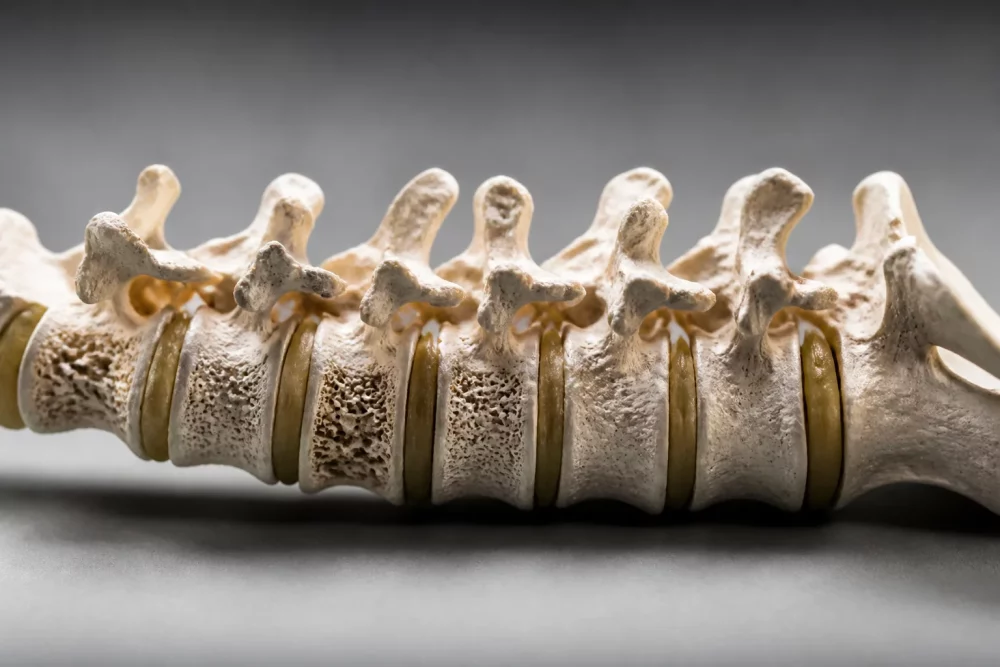
People with osteoporosis, recent fractures, spinal instability, or prior spinal surgery should not use inversion tables. The forces applied during inversion place significant stress on bones and joints, which can cause fractures, worsen instability, or damage surgical repairs.
Bone and joint contraindications:
Severe osteoporosis – Weakened bones can fracture under inversion forces
Recent fractures or broken bones – Healing bones need stability, not additional stress
Spinal instability – Inversion can overstress unstable spinal segments
Prior spinal surgery or fusion – Surgical repairs may not withstand inversion forces
Spondylolisthesis – Vertebral slippage can worsen with inversion
Ehlers-Danlos Syndrome – Connective tissue disorders create joint instability that inversion exacerbates
Decision rule: If you have any condition affecting bone density, joint stability, or spinal structure, choose X if you want decompression benefits – try traction therapy under physical therapist supervision instead. This provides controlled decompression without the risks of full inversion.
What Other Medical Conditions Rule Out Inversion Table Use?
Several additional medical conditions make inversion tables dangerous, even if they don’t fit into the major categories above.
Additional contraindications include:
Hernias (hiatal, abdominal, inguinal) – Inversion worsens protrusion and intensifies discomfort
Severe acid reflux or GERD – Inverted position allows stomach acid to flow toward the esophagus
Middle ear infections or vertigo – Inversion triggers dizziness, nausea, and balance problems
Cerebral sclerosis – Increased intracranial pressure worsens neurological symptoms
Ventral hernias – Pressure changes can cause painful complications
Tendency to faint or syncope – Dizziness during inversion creates fall and injury risks
Medication interactions to consider:
Blood thinners (warfarin, aspirin, clopidogrel) increase bleeding risk if injury occurs
Blood pressure medications interact with inversion’s pressure-raising effects
Anti-anxiety medications may increase dizziness and fall risk
Anyone taking prescription medications should get physician approval before using an inversion table. The combination of medication effects and inversion’s physiological changes can create dangerous interactions.
Can Inversion Tables Cause Injuries Even With Proper Use?
Yes. Medical case reports document severe spinal injuries from inversion tables even when used correctly according to manufacturer instructions. Three documented cases involved proper operation but resulted in serious spine damage requiring medical intervention.
Documented injury risks include:
Spinal compression fractures – Despite claims of spinal decompression benefits
Nerve damage – From overstretching or compression during inversion
Muscle strains – From awkward positioning or difficulty returning upright
Falls and impact injuries – From loss of control or equipment malfunction
Ligament damage – From excessive stretching in vulnerable positions
The injury risk exists because inversion tables create unusual forces on the body that most people aren’t accustomed to managing. Even healthy individuals without contraindications face some injury risk, which is why medical supervision is important.
Common mistake: Assuming that expensive or well-reviewed inversion tables eliminate injury risk. Quality equipment reduces some risks but doesn’t eliminate the fundamental physiological dangers of inversion for people with contraindications.
What Should You Do Before Considering an Inversion Table?
Before trying an inversion table, schedule a consultation with your primary care physician or a physical therapist. This conversation should cover your complete medical history, current medications, and specific back pain concerns.
Pre-inversion consultation checklist:
Disclose all medical conditions – Include diagnosed conditions and symptoms you’re monitoring
List all medications and supplements – Both prescription and over-the-counter
Describe your back pain – Location, severity, duration, and triggers
Discuss previous treatments – What you’ve tried and how effective it was
Ask about alternatives – Physical therapy, stretching, strengthening exercises
Request specific clearance – Get written approval if your doctor agrees inversion is safe
Better alternatives for most people:
Physical therapy – Targeted exercises address root causes of back pain
Stretching routines – Improve flexibility without inversion risks
Core strengthening – Supports spine and reduces pain long-term
Massage therapy – Relieves muscle tension safely
Traction therapy – Provides controlled decompression under professional supervision
If your doctor approves inversion therapy, start with minimal angles (10-15 degrees) for short durations (1-2 minutes) and increase gradually only if you experience no adverse effects.
Comparison: Who Can vs. Cannot Use Inversion Tables
Can Use (With Caution)Cannot Use (Contraindicated)Healthy adults under 50High blood pressure patientsNo chronic conditionsHeart disease or stroke historyNormal bone densityGlaucoma or eye diseasesNo medicationsPregnant womenGood balance and coordinationOsteoporosis or recent fracturesPhysician approval obtainedHernias of any typeStarting with gentle anglesBlood clot historySupervised initial sessionsSpinal instability or prior surgery
Conclusion
Inversion tables carry serious risks for a wide range of medical conditions, particularly those affecting the cardiovascular system, eyes, bones, and spine. High blood pressure, heart disease, glaucoma, pregnancy, osteoporosis, hernias, and stroke history all make inversion therapy dangerous and potentially life-threatening. Even people without these conditions face documented injury risks from proper use.
Take these action steps:
Schedule a medical consultation before purchasing or using an inversion table
Disclose your complete medical history including all conditions and medications
Explore safer alternatives first like physical therapy, stretching, and core strengthening
Never use an inversion table if you have any of the contraindications discussed in this article
Start extremely conservatively if cleared by your doctor – minimal angles, short durations, with supervision
The potential benefits of inversion therapy don’t justify the risks for most people with chronic health conditions. Physical therapy and targeted exercises provide effective back pain relief without the cardiovascular strain, pressure changes, and injury risks that inversion tables create. When in doubt, choose the safer path and work with healthcare professionals who can monitor your progress and adjust treatment as needed.
FAQ
Can I use an inversion table if I have mild high blood pressure?
No. Even mild hypertension makes inversion dangerous because hanging upside down causes significant blood pressure spikes that can trigger hypertensive crises or stroke. Consult your doctor about safer back pain treatments.
Is it safe to use an inversion table at a shallow angle if I have glaucoma?
No. Any degree of inversion increases intraocular pressure, which worsens glaucoma and can cause permanent vision damage. There’s no safe angle for people with eye pressure issues.
Can pregnant women use inversion tables for back pain relief?
Absolutely not. Pregnancy is a complete contraindication due to altered blood flow, pressure changes, and positioning risks. Use pregnancy-safe alternatives like prenatal massage or physical therapy instead.
What if I had a stroke five years ago and feel completely recovered?
You should still avoid inversion tables. Stroke history indicates cardiovascular vulnerability, and inversion raises intracranial pressure and stroke risk regardless of how long ago the event occurred.
Are inversion tables safe for people with osteoporosis?
No. Severe osteoporosis makes bones too fragile to withstand inversion forces, creating high fracture risk. Even mild osteoporosis requires physician evaluation before considering inversion.
Can I use an inversion table if I take blood pressure medication?
Not without explicit physician approval. Blood pressure medications interact with inversion’s pressure-raising effects, creating dangerous cardiovascular stress. Your doctor must evaluate the specific risks.
Is inversion therapy safe after spinal fusion surgery?
Generally no. Prior spinal surgery creates instability that inversion can worsen, potentially damaging surgical repairs. Physical therapy provides safer decompression under professional supervision.
What should I do if I experience dizziness on an inversion table?
Return to upright position immediately and discontinue use. Dizziness indicates your body isn’t tolerating the pressure changes well, and continuing creates fall and injury risks.
Can teenagers use inversion tables for sports injuries?
Only with physician approval and parental supervision. Growing bones and developing cardiovascular systems may not handle inversion well, and safer treatment options usually exist for young athletes.
Are there any hernias that allow inversion table use?
No. All hernia types (hiatal, abdominal, inguinal, ventral) worsen with inversion because the position increases pressure on the weakened tissue area, intensifying protrusion and discomfort.
How long after a fracture heals can I use an inversion table?
Wait at least 6-12 months after complete healing and only with physician clearance. Healed bones need time to regain full strength before handling inversion forces.
Can I use an inversion table if I’m prone to fainting?
No. Tendency to faint or syncope creates serious fall risk during inversion when you’re strapped to equipment in an awkward position, potentially causing severe injury.