Athletes spend thousands of dollars annually on recovery tools, yet many overlook a critical question: does the equipment deliver measurable performance gains, or does it simply feel good? In 2026, inversion tables occupy a peculiar space in athletic recovery—praised by some trainers, dismissed by others, and misunderstood by most athletes who purchase them. Understanding inversion tables for muscle recovery and athletic performance requires cutting through marketing claims to examine what science actually reveals about their effectiveness.
Think of your spine like a high-performance shock absorber in a race car. After intense training, the discs compress and lose their cushioning ability, reducing your body’s capacity to handle impact and generate power. Inversion therapy aims to decompress these structures, but whether this translates to faster recovery or improved performance remains a contentious topic among sports medicine professionals.
This article examines the evidence behind inversion tables for muscle recovery and athletic performance, exploring what athletes actually need to know before investing in this recovery modality.
Key Takeaways
- Inversion therapy provides spinal decompression that may reduce post-training compression, but evidence for enhanced athletic performance remains limited
- Athletes experience the most benefit when combining inversion with active recovery protocols rather than using it as a standalone intervention
- Proper angle progression (starting at 20-30 degrees) and session duration (5-10 minutes) matter more than achieving full inversion for recovery purposes
- Specific contraindications including high blood pressure, glaucoma, and heart conditions make inversion unsuitable for some athletes
- Recovery benefits appear strongest for athletes with existing spinal compression issues rather than those seeking general performance enhancement
The Science Behind Inversion Tables for Muscle Recovery and Athletic Performance
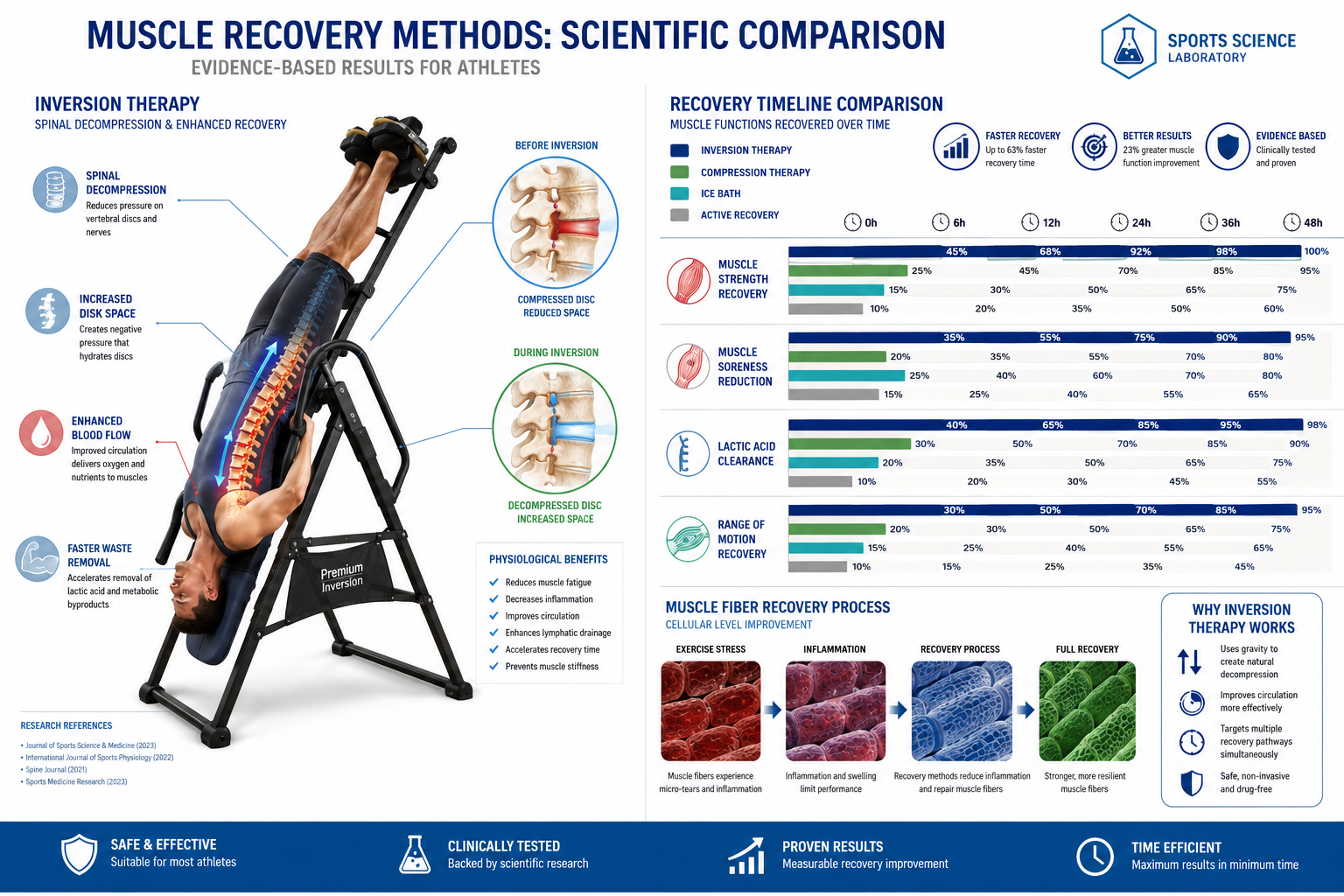
Inversion therapy operates on a straightforward mechanical principle: gravity reversal creates traction forces that separate vertebrae and decompress spinal discs. Research demonstrates that inversion at 60 degrees produces measurable increases in intervertebral space, with one study documenting an average separation of 1-2 millimeters between lumbar vertebrae during inversion sessions.
Athletes generate significant compressive forces during training. A runner’s spine absorbs impact forces equivalent to 3-5 times body weight with each foot strike. Weightlifters experience even greater loads, with heavy squats creating compression forces exceeding 10 times body weight. These repetitive loads compress spinal discs, reducing their height and potentially compromising their shock-absorbing capacity.
The decompression effect creates several physiological responses relevant to recovery. First, reduced pressure within the disc allows increased fluid movement into the nucleus pulposus, the gel-like center of each disc. This rehydration process helps restore disc height and cushioning properties. Second, decreased compression may reduce pressure on nerve roots exiting the spinal column, potentially alleviating radiating pain that some athletes experience after intense training.
However, the connection between spinal decompression and improved athletic performance lacks robust evidence. While decompression provides temporary relief from compression-related discomfort, research has not established that this translates to measurable improvements in strength, power output, endurance, or other performance metrics that athletes care about.
Blood flow changes during inversion present another consideration. Inverting increases blood flow to the upper body and brain while temporarily reducing flow to the lower extremities. Some proponents claim this enhances recovery by improving circulation, but research on circulation during inversion reveals a more complex picture. The cardiovascular system quickly adapts to positional changes, and any circulation benefits likely remain minimal for athletes with healthy cardiovascular function.
Evidence-Based Recovery Methods Versus Inversion Therapy
Athletes seeking optimal recovery must evaluate inversion therapy against established recovery modalities with stronger evidence bases. Comparing these approaches reveals where inversion fits within a comprehensive recovery strategy.
Active Recovery demonstrates the strongest evidence for enhancing recovery between training sessions. Low-intensity movement (20-40% of maximum effort) increases blood flow to working muscles, accelerates lactate clearance, and reduces muscle soreness more effectively than passive rest. Studies consistently show that 15-20 minutes of light cycling or swimming following intense training reduces recovery time by 24-48 hours compared to complete rest.
Compression Therapy using pneumatic compression devices shows moderate evidence for reducing muscle soreness and perceived fatigue. These devices apply sequential pressure to limbs, enhancing venous return and potentially reducing inflammation. Research indicates compression therapy reduces muscle soreness by approximately 20-30% when used within 2 hours post-exercise.
Cold Water Immersion remains popular among athletes despite mixed research findings. Ice baths (10-15°C for 10-15 minutes) reduce inflammation and muscle soreness in the short term, but some evidence suggests they may blunt training adaptations when used consistently. Athletes must balance immediate recovery benefits against potential long-term performance impacts.
Sleep Optimization provides the most powerful recovery intervention available to athletes. Quality sleep (7-9 hours for most athletes) regulates hormone production, facilitates muscle protein synthesis, and consolidates motor learning. Research demonstrates that sleep extension improves reaction time, accuracy, and endurance performance more than any recovery device.
Inversion therapy occupies a different category than these evidence-based approaches. While it provides measurable spinal decompression, research has not established that this decompression enhances the physiological processes that drive recovery: muscle protein synthesis, glycogen replenishment, inflammation resolution, or neuromuscular recovery.
A 2019 systematic review examining inversion therapy for various conditions found limited high-quality evidence supporting its use for athletic recovery specifically. Most studies focus on chronic low back pain rather than post-exercise recovery in athletic populations. This evidence gap makes it difficult to recommend inversion as a primary recovery tool for athletes without existing spinal issues.
Athletes who do use inversion tables report subjective benefits including reduced muscle tension, improved flexibility, and decreased perceived fatigue. These self-reported outcomes matter, but they don’t necessarily translate to objective performance improvements. The placebo effect plays a significant role in recovery interventions, and athletes’ beliefs about a treatment’s effectiveness can influence their perceived recovery independent of physiological changes.
Who Benefits Most From Inversion Tables for Athletic Recovery
Not all athletes experience equal benefits from inversion therapy. Specific populations show more promising responses based on their training demands and existing conditions.
Athletes with Spinal Compression Issues represent the primary group likely to benefit from inversion therapy. Runners, gymnasts, and athletes in impact sports who experience chronic low back pain or disc-related symptoms may find relief through regular decompression. Research shows that athletes with mild disc bulges or degenerative disc disease experience greater symptom reduction from inversion compared to athletes without these conditions.
Strength Athletes and Powerlifters who regularly perform heavy axial loading exercises (squats, deadlifts, overhead presses) create significant spinal compression during training. These athletes may benefit from periodic decompression to counteract the cumulative effects of heavy loading. However, evidence specifically examining inversion therapy in strength athletes remains limited.
Tall Athletes face unique spinal challenges due to longer lever arms and greater gravitational forces acting on their spines. Basketball players, volleyball players, and other tall athletes may experience more compression-related discomfort than shorter athletes, potentially making them better candidates for decompression therapy.
Masters Athletes (typically 40+ years) with age-related disc degeneration may experience more noticeable benefits from inversion therapy compared to younger athletes with healthy discs. As discs naturally lose height and hydration with age, decompression interventions may provide more meaningful relief for this population.
Conversely, several athlete populations show minimal benefit from inversion therapy:
Young Athletes with Healthy Spines (under 30 without back pain) likely gain little from regular inversion therapy. Their discs naturally maintain hydration and height, and they recover efficiently from training without additional interventions. For these athletes, time spent inverting might deliver better returns if allocated to sleep, nutrition, or active recovery.
Endurance Athletes without Back Pain who primarily perform non-impact activities (swimming, cycling) create less spinal compression during training. These athletes may not experience sufficient compression to warrant regular decompression interventions.
Athletes with Contraindications must avoid inversion therapy entirely. These contraindications include high blood pressure, glaucoma, retinal detachment, heart disease, stroke history, pregnancy, herniated discs with acute symptoms, osteoporosis, and certain inner ear conditions. Athletes with these conditions should explore alternative recovery methods under medical supervision.
Practical Implementation: Using Inversion Tables for Muscle Recovery
Athletes who decide to incorporate inversion therapy into their recovery protocols must follow specific guidelines to maximize benefits while minimizing risks. Implementation details matter significantly for outcomes.
Angle Progression Protocol
Athletes should never begin with full inversion. Starting with proper angle progression prevents adverse reactions and allows the body to adapt gradually.
Week 1-2: Begin at 20-30 degrees for 2-3 minutes per session. This shallow angle provides mild decompression while allowing the cardiovascular system to adapt to inverted positioning. Perform sessions once daily, preferably in the evening after training.
Week 3-4: Progress to 40-50 degrees for 3-5 minutes per session. Most athletes experience adequate decompression at these moderate angles without the risks associated with full inversion. Monitor for any dizziness, headaches, or discomfort.
Week 5+: Athletes who tolerate moderate angles may progress to 60-70 degrees for 5-10 minutes. Research suggests that angles beyond 60 degrees provide minimal additional decompression benefit while increasing cardiovascular stress. Full inversion (90 degrees) offers no advantage over 60-degree inversion for recovery purposes.
Session Timing and Frequency
Strategic timing maximizes recovery benefits. Athletes should invert during specific windows relative to training:
Post-Training Window (30-60 minutes after exercise): This timing allows immediate decompression following compression-inducing activities. Combine inversion with other recovery modalities during this window for synergistic effects.
Evening Sessions (2-3 hours before bed): Many athletes report improved sleep quality when inverting in the evening. The relaxation response triggered by gentle inversion may facilitate the transition to sleep.
Rest Days: Inversion on rest days provides decompression without the immediate post-exercise inflammation present on training days. Some athletes prefer this timing to avoid any potential interference with training adaptations.
Frequency recommendations vary by training volume and individual response. Most athletes benefit from 3-5 sessions per week rather than daily inversion. This frequency provides regular decompression while preventing adaptation that might reduce effectiveness over time.
Combining Inversion with Complementary Techniques
Inversion therapy delivers superior results when integrated with other recovery methods rather than used in isolation. Combining inversion with specific stretches enhances flexibility gains and decompression effects.
Dynamic Stretching While Inverted: Gentle movements during inversion amplify decompression benefits. Athletes can perform controlled torso rotations, side bends, and arm reaches while inverted at moderate angles. These movements create additional traction forces while improving spinal mobility.
Breathing Exercises: Deep diaphragmatic breathing during inversion enhances relaxation and may improve the decompression effect. Focus on slow, controlled breaths (4-second inhale, 6-second exhale) throughout the session.
Post-Inversion Mobility Work: Following inversion, perform targeted mobility exercises for the hips, thoracic spine, and shoulders. The temporary increase in spinal mobility creates an ideal window for addressing movement restrictions.
Common Mistakes Athletes Make With Inversion Tables
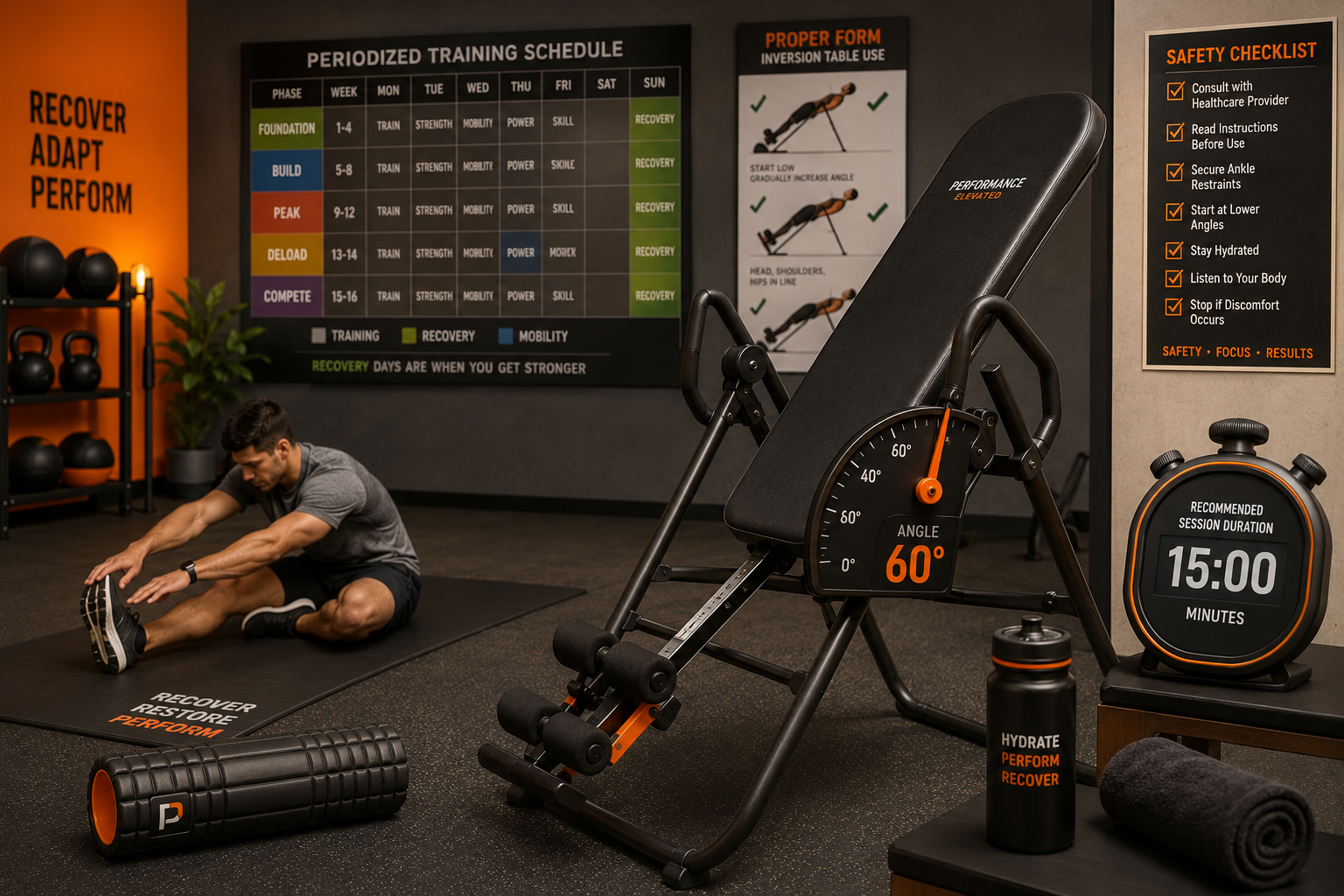
Athletes frequently make implementation errors that reduce effectiveness or increase injury risk. Understanding why inversion tables fail for some users helps avoid these pitfalls.
Progressing Too Quickly: The most common mistake involves advancing to steep angles before the body adapts. Athletes accustomed to pushing through discomfort in training often apply the same mindset to inversion therapy, progressing too aggressively. This approach increases the risk of dizziness, headaches, and cardiovascular stress. Patience during the progression phase yields better long-term results.
Excessive Session Duration: More does not equal better with inversion therapy. Sessions exceeding 10-15 minutes provide no additional benefit and may cause discomfort or adverse effects. Understanding proper duration guidelines prevents overuse while maximizing efficiency.
Inverting Immediately Post-Exercise: While post-training inversion offers benefits, inverting immediately after intense exercise (within 15-20 minutes) may cause dizziness due to ongoing cardiovascular stress and blood pressure changes. Allow a brief cool-down period before inverting.
Neglecting Proper Ankle Securing: Inadequate ankle support creates discomfort and limits session duration. Athletes should ensure ankle clamps fit snugly without causing pain or restricting circulation. Some athletes benefit from wearing shoes during inversion to improve ankle comfort.
Using Inversion as a Standalone Recovery Method: Athletes who rely exclusively on inversion while neglecting sleep, nutrition, and active recovery see limited results. Inversion works best as one component within a comprehensive recovery strategy, not as a replacement for fundamental recovery practices.
Ignoring Contraindications: Some athletes attempt inversion despite having contraindications, believing their fitness level protects them from adverse effects. Cardiovascular fitness does not eliminate risks associated with increased intracranial pressure or intraocular pressure. Athletes with any contraindications should avoid inversion regardless of their fitness level.
Inconsistent Use: Athletes who use inversion sporadically (once every week or two) experience minimal benefits. Like most recovery interventions, consistency matters. Regular use (3-5 times weekly) produces better outcomes than occasional sessions.
Selecting the Right Inversion Table for Athletic Recovery
Equipment quality significantly impacts the inversion therapy experience. Athletes require specific features that differ from general consumer needs.
Weight Capacity: Athletes, particularly strength athletes, often exceed average body weight. Select tables rated for at least 50 pounds above current body weight to ensure stability and safety. Most quality tables support 250-350 pounds, but heavier athletes should verify capacity before purchasing.
Ankle Comfort System: Extended sessions require comfortable ankle support. Look for tables with padded ankle clamps, adjustable sizing, and ergonomic designs that distribute pressure evenly. Some premium models offer memory foam ankle cushions that significantly improve comfort during longer sessions.
Angle Control Mechanism: Precise angle control allows proper progression and consistent positioning. Tables with pre-set angle stops or adjustable tether straps enable athletes to maintain specific angles without constant adjustment. This feature proves particularly valuable for athletes following structured progression protocols.
Frame Stability: Athletes generate more dynamic movement during inversion compared to sedentary users. Heavy-duty steel frames with wide bases provide superior stability during inverted stretching and movement. Test the table’s stability by applying lateral pressure while inverted—quality tables show minimal wobble.
Portability and Storage: Athletes with limited space benefit from foldable designs that store efficiently. However, folding mechanisms must maintain structural integrity and stability. Some athletes prefer non-folding tables for maximum stability despite the larger footprint.
Additional Features: Heat and massage functions add comfort but don’t enhance recovery outcomes. Athletes should prioritize structural quality and comfort over these supplementary features. Comparing tables with heat and massage features reveals whether premium prices justify the added functionality.
Budget Considerations: Quality inversion tables range from $200-600. Athletes should view this as a long-term investment in recovery infrastructure. Mid-range tables ($300-400) typically offer the best balance of quality, features, and durability for athletic use. When evaluating options, consult a comprehensive inversion table buying guide to understand key specifications and features.
Measuring Results: How to Know If Inversion Therapy Works for You
Athletes need objective methods to evaluate whether inversion therapy delivers meaningful benefits. Subjective feelings of relaxation don’t necessarily translate to improved recovery or performance.
Track Recovery Metrics: Monitor objective recovery indicators including resting heart rate, heart rate variability (HRV), and perceived recovery scores using standardized questionnaires. Compare these metrics during periods with and without regular inversion therapy to identify patterns.
Document Pain and Discomfort: Athletes with existing back pain should track pain intensity (0-10 scale) before and after inversion sessions, as well as throughout the day. Meaningful improvements should show consistent patterns over 4-6 weeks rather than isolated improvements.
Assess Flexibility Changes: Measure specific flexibility markers (sit-and-reach test, spinal rotation range of motion) at baseline and after 4-6 weeks of consistent inversion therapy. Meaningful improvements should exceed 5-10% to suggest genuine benefit beyond normal training adaptations.
Monitor Training Performance: Track key performance indicators relevant to your sport (running pace, lifting volume, power output) during periods with and without inversion therapy. Performance improvements should be consistent and meaningful (typically 2-5% or greater) to attribute them to the intervention rather than normal training progression.
Evaluate Sleep Quality: Use sleep tracking devices or subjective sleep quality ratings to assess whether evening inversion sessions improve sleep duration or quality. Sleep improvements represent one of the most valuable potential benefits of inversion therapy.
Set a Trial Period: Commit to consistent inversion therapy (3-5 sessions weekly) for 90 days while tracking relevant metrics. Real user results from 90-day challenges provide realistic expectations for outcomes. After this period, discontinue inversion for 2-3 weeks and monitor whether metrics decline. If no meaningful changes occur, inversion likely provides minimal benefit for your specific situation.
Consider Individual Response: Recovery interventions show high individual variability. Some athletes respond dramatically to specific interventions while others show minimal response. Honest assessment of your individual response matters more than general population studies or anecdotal reports from other athletes.
Alternative and Complementary Recovery Approaches
Athletes seeking comprehensive recovery strategies should consider how inversion therapy fits within the broader recovery landscape. Several alternatives and complementary approaches deserve consideration.
Spinal Decompression Devices: Motorized decompression tables used in clinical settings provide more controlled and progressive traction compared to gravity-based inversion. These devices allow precise force application and may deliver superior outcomes for athletes with specific spinal conditions. Comparing inversion tables to clinical decompression therapy reveals key differences in outcomes and applications.
Manual Therapy: Skilled manual therapy from qualified practitioners (physical therapists, chiropractors, osteopaths) addresses specific movement restrictions and tissue restrictions that inversion therapy cannot target. Athletes with complex spinal issues often benefit more from individualized manual therapy than generic decompression.
Yoga and Mobility Training: Structured mobility programs improve spinal health through active movement rather than passive positioning. Yoga practices specifically designed for athletes address flexibility, stability, and body awareness while providing stress reduction benefits similar to inversion therapy.
Core Strengthening: Building robust core stability protects the spine from excessive compression during training. Athletes who develop strong core musculature through targeted training may reduce their need for decompression interventions. Core training represents a proactive approach compared to the reactive nature of decompression therapy.
Nutrition for Connective Tissue Health: Adequate protein intake, collagen supplementation, vitamin C, and proper hydration support disc health and recovery. Understanding how nutrition impacts inversion table results helps athletes optimize their recovery nutrition strategy.
Periodization and Load Management: The most effective way to prevent excessive spinal compression involves intelligent training design. Proper periodization with planned recovery weeks, strategic exercise selection, and appropriate volume management reduces the cumulative compression that creates the need for decompression interventions.
The Verdict: Should Athletes Invest in Inversion Tables?
After examining the evidence, implementation strategies, and practical considerations, athletes can make informed decisions about whether inversion tables deserve a place in their recovery arsenal.
Athletes Who Should Consider Inversion Tables:
- Athletes with chronic low back pain or disc-related symptoms who have exhausted first-line treatments
- Strength athletes who regularly perform heavy axial loading exercises and experience compression-related discomfort
- Masters athletes with age-related disc degeneration seeking non-pharmaceutical pain management
- Athletes who have tried inversion therapy under professional supervision and experienced measurable benefits
- Athletes with adequate space, budget, and commitment to consistent use (3-5 sessions weekly for at least 90 days)
Athletes Who Should Prioritize Other Recovery Methods:
- Young athletes without back pain or spinal issues
- Athletes with any medical contraindications to inversion
- Athletes seeking general performance enhancement rather than specific spinal decompression
- Athletes with limited space, budget, or time who would benefit more from optimizing sleep, nutrition, or active recovery
- Athletes who have tried inversion therapy consistently without experiencing meaningful benefits
The evidence suggests that inversion tables provide legitimate spinal decompression but lack robust support for enhancing general athletic performance or recovery in athletes without existing spinal issues. Athletes should view inversion therapy as a specialized tool for specific applications rather than a universal recovery solution.
For athletes who do invest in inversion tables, success requires proper implementation: gradual angle progression, appropriate session duration, consistent use, and integration with comprehensive recovery strategies. Inversion therapy works best as one component within a multi-faceted recovery approach that prioritizes fundamental recovery practices including sleep optimization, nutrition, active recovery, and intelligent training design.
Athletes should approach inversion therapy with realistic expectations. It provides measurable spinal decompression and may reduce compression-related discomfort, but it won’t transform recovery capacity or athletic performance. The decision to invest in an inversion table should be based on specific needs, existing conditions, and individual response rather than marketing claims or general recommendations.
Conclusion
Inversion tables for muscle recovery and athletic performance occupy a nuanced position in the recovery toolkit—offering legitimate spinal decompression benefits for specific populations while lacking strong evidence for universal athletic performance enhancement. Athletes must cut through marketing hype to understand what inversion therapy actually delivers: temporary spinal decompression that may reduce compression-related discomfort but doesn’t replace fundamental recovery practices.
The athletes most likely to benefit from inversion therapy include those with existing spinal compression issues, strength athletes who regularly perform heavy axial loading, and masters athletes with age-related disc degeneration. Young athletes with healthy spines and those seeking general performance enhancement will likely find better returns from optimizing sleep, nutrition, and active recovery protocols.
For athletes who choose to incorporate inversion therapy, success requires disciplined implementation: starting with shallow angles (20-30 degrees), progressing gradually over 4-6 weeks, maintaining consistent use (3-5 sessions weekly), and integrating inversion with complementary recovery methods. Avoiding common mistakes—particularly progressing too quickly and using excessive session durations—prevents adverse effects while maximizing potential benefits.
Athletes should measure results objectively through recovery metrics, pain tracking, flexibility assessments, and performance monitoring over 90-day trial periods. Individual response varies significantly, and honest assessment of personal outcomes matters more than general population studies or anecdotal reports.
The investment decision should be based on specific needs rather than general recommendations. Athletes with chronic back pain who have tried inversion under professional supervision and experienced benefits have the strongest rationale for purchasing a table. Athletes seeking general recovery enhancement should prioritize evidence-based recovery methods with stronger research support before considering inversion therapy.
Ultimately, inversion tables represent a specialized recovery tool rather than a universal solution. Athletes who understand this distinction, implement the therapy correctly, and maintain realistic expectations can potentially benefit from regular decompression. Those who approach inversion as a magic recovery solution will likely experience disappointment. Success requires matching the intervention to the specific problem, implementing it correctly, and integrating it within a comprehensive recovery strategy that addresses all aspects of athletic recovery.
SEO Meta Title: Inversion Tables for Athletes: Recovery & Performance Guide