You bought an inversion table to ease pain, yet now your inversion table hurts your lower back more than before. That feels scary and confusing. The encouraging part is that very often it is fixable user error, not a faulty table.
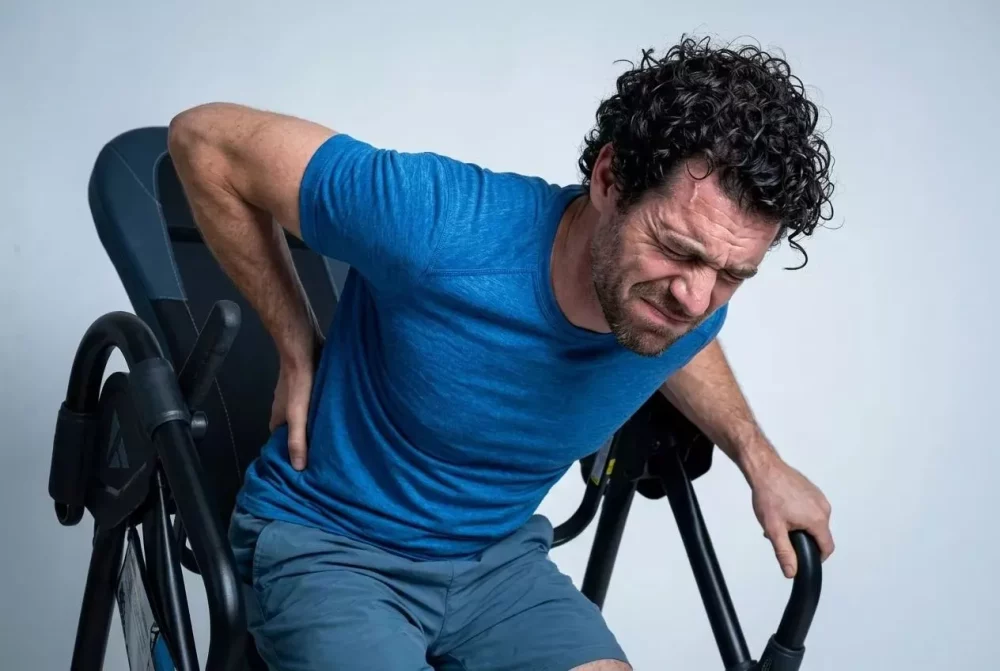
When angle, time, or health conditions fall outside safe guidelines, inversion can stress joints instead of easing them. In this guide, Best Inversion Table Reviews explains why this happens, who should avoid inversion, how to set up a safe routine, and what to try if hanging is not right for you.
Stick with this guide for a clear, step‑by‑step plan so you can swap guesswork for smarter, safer back care at home.
Key Takeaways
Before you dive deeper, here is a fast overview of what matters most. These points explain why an inversion table hurts your lower back and how to change that pattern.
User errors drive most pain. Steep angles, long sessions, fast returns to upright, and loose ankle supports all load the lower back at the wrong time. Small tweaks in these areas calm muscles and protect discs.
Safe starting angles sit around 10–30 degrees. Very stiff users and many seniors often do best near 10–15 degrees. Dramatic upside‑down angles feel impressive but add strain and rarely give extra relief.
Early sessions must stay short. First sessions should last only 30–45 seconds. Over time, safe sessions usually top out near 1–5 minutes, at most twice per day.
Some people should never invert at home. Uncontrolled high blood pressure, glaucoma, serious heart disease, late pregnancy, or a herniated disc without medical clearance each raise risk.
Inversion is only one tool. It works best as part of a broader back care plan that also includes core strength work, physical therapy, gentle yoga, and simple floor stretches.
Why Your Inversion Table Is Hurting Your Lower Back
Your inversion table hurts your lower back when angle, duration, and speed pull your spine outside safe limits. Most problems come from how the table is used, not from the device itself. Once you know the common traps, you can adjust and often feel quick relief.
When you tilt too far, gravity pulls hard on muscles and ligaments around your lumbar spine. Home tables cannot direct force at a single disc, so the entire back receives the same traction. That broad pull can overstretch healthy tissue and leave joints irritated once you stand up.
Speed also matters. While you recline, spinal discs relax and the space between vertebrae widens a little. If you sit up fast, gravity reloads those relaxed joints in a split second. This sudden load often triggers strong muscle spasms, especially if you have a herniated disc or sciatic nerve pain.
Loose or thin ankle supports play a quiet but big role. When your ankles feel unsafe, your body braces everywhere. Many people clamp their lower back muscles to “hold on,” which cancels the very very decompression they hoped to gain. Best Inversion Table Reviews sees this pattern often with cheaper tables that have poor padding or awkward ankle locks.
Here are the top user mistakes that turn relief into pain:
Angle set too steep. New users copy social media photos and roll nearly upside down on day one. That angle shocks muscles, pulls on ligaments, and can pinch irritated nerves. A shallow tilt around 15–30 degrees usually provides enough traction.
Sessions that last too long. Long hangs feel like “more must be better,” yet research supports short, controlled bouts. Staying inverted too long overstretches soft tissue, makes joints feel unstable, and can raise pressure in the head and eyes.
Fast return to upright. A quick sit‑up reloads the spine and drops blood pressure in the head at the same time. That mix can cause dizziness and sharp spasms across the lower back.
Poor ankle setup. If height settings, straps, or cuffs feel wrong, your legs may slide a little under load. Your brain reads that as danger, so lumbar muscles tense hard to protect you, which increases soreness after the session.
“You do not need to hang upside down to decompress your spine. Shallow angles of 15 to 30 degrees often give real traction without shock.”
— Best Inversion Table Reviews
Who Should Never Use An Inversion Table
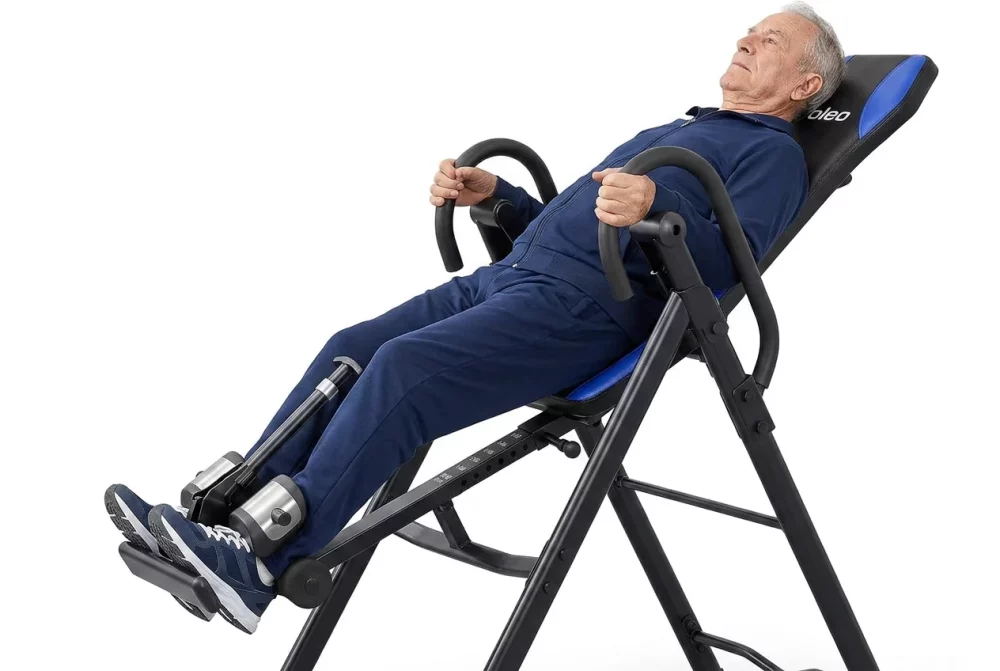
Some people should never use an inversion table because the pressure shift during inversion raises serious medical risk. If you fall into any of these groups, home inversion can harm more than help.
Inversion sends a surge of blood toward the head, chest, and eyes. That spike raises pressure inside the skull, in the heart, and within delicate eye structures. According to the U.S. Food and Drug Administration, ten inversion‑table‑related adverse events, including one fatal case, appeared in device reports between 2012 and 2022. Those numbers show the risks are real, not just theory.
Here is a quick reference list of people who must avoid inversion unless a specialist gives clear written approval.
| Condition | Main Risk |
|---|---|
| Uncontrolled high blood pressure or heart disease | Pressure spike can trigger heart attack or stroke. |
| Glaucoma or serious eye disease | Extra eye pressure can damage the optic nerve. |
| History of stroke or brain injury | Raised brain pressure can worsen damage. |
| Pregnancy, especially later months | Extra abdominal and vascular pressure can affect parent and baby. |
| Severe acid reflux or active hernia | Fluid shift can push acid or tissue in the wrong direction. |
| Herniated disc without medical clearance | Sudden joint reload can enlarge the disc bulge. |
Older adults need extra care. For seniors who receive explicit clearance, many physical therapists suggest angles no steeper than 5–10 degrees for only 2–3 minutes with a spotter nearby. Best Inversion Table Reviews strongly urges every reader in these higher‑risk groups to speak with a primary care doctor or cardiologist before any purchase.
How To Use Your Inversion Table Safely And Effectively
To use your inversion table safely and effectively, you need a simple plan plus decent equipment. Thoughtful setup turns a tool that hurts into one that calms your lower back.
Quality helps first. Mid‑range tables in the $250–$400 bracket often include thicker pads, strong steel frames, and ergonomic ankle systems. Those features let your hips and back relax instead of clenching to avoid slips. Cheap frames with thin padding often lead to that “inversion table hurts your lower back” pattern described earlier.
Research in the journal Disability and Rehabilitation followed adults who used short, controlled inversion over eight weeks. Many reported better pain scores and flexibility after several weeks of consistent practice. Best Inversion Table Reviews sees the same pattern when readers follow a structured plan instead of guessing.
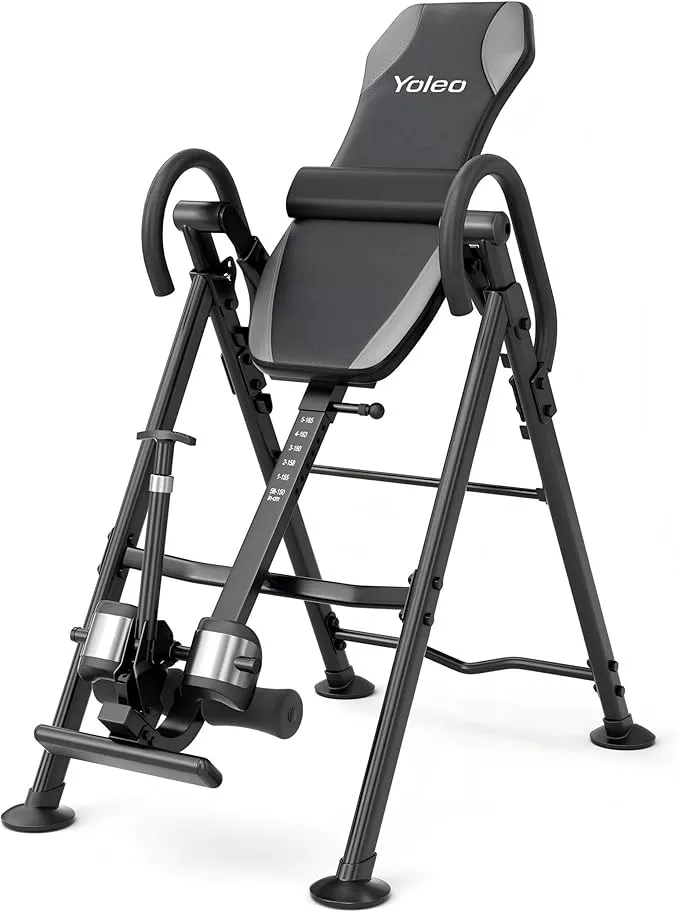
Easy and safe. Built with a heavy-duty integrated steel frame for exceptional stability and durability.
Use this step sequence as your basic routine:
Get medical clearance first. Share your full history with a doctor or physical therapist and mention eye, heart, or blood pressure issues. Ask whether home inversion fits your case or if clinic traction would be safer.
Use a spotter during early sessions. A family member can steady the table, watch your face, and help you come upright. This support also lowers anxiety, which keeps your lower back from bracing.
Set height and safety strap every time. Match the table to your real height, lock ankle supports snugly, and shorten the safety strap so the table stops at a mild tilt. That strap acts like a seat belt that prevents surprise deep angles.
Start with a mild angle. For most adults, 15–30 degrees creates enough space between vertebrae without harsh pull. Many older users or stiff beginners start near 10 degrees and still feel a gentle stretch.
Keep sessions short at first. Begin with 30–45 seconds once per day. If that feels fine, add time slowly over weeks, not days. Long‑term sessions usually stay between 1–5 minutes, no more than twice in a day.
Come up very slowly. Use the handlebars, stop halfway, and rest for a breath or two. This pause gives your spine time to accept weight again and lowers the chance of sudden spasm.
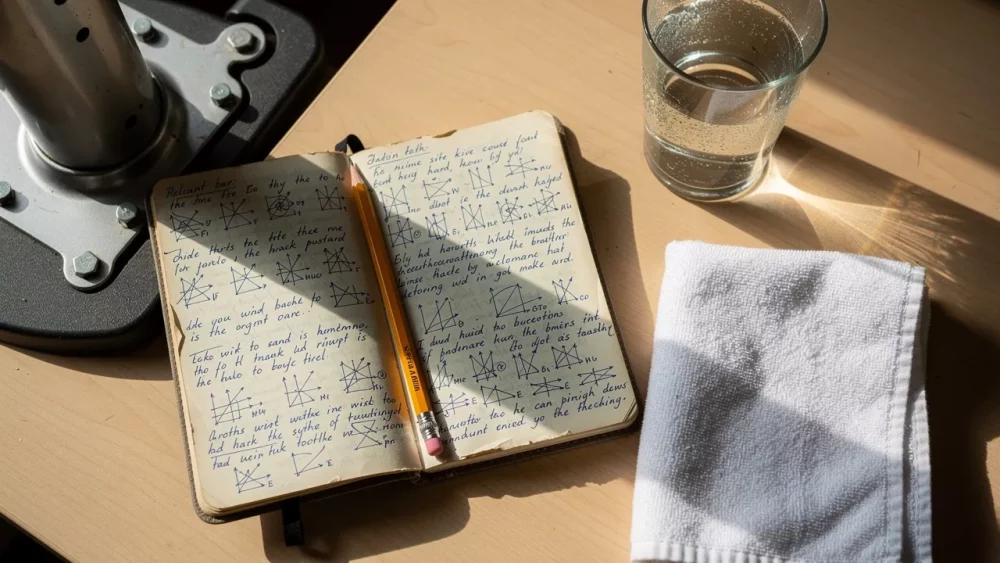
Keep a simple session log. Best Inversion Table Reviews suggests a notebook that tracks angle, duration, comfort level, and any pain later that day. Bring this log to check‑ins with your clinician so they can fine‑tune your settings.
“Move slowly, breathe, and listen to your body. With spinal traction, comfort is feedback, not weakness.”
— common physical therapy guideline
Helpful tip: Pause halfway to upright, breathe slowly, and wait for any head pressure to fade before you come fully vertical.
When Inversion Isn’t Enough: Safer Alternatives For Back Pain Relief

When inversion is not enough for back pain relief, other methods often reach the root cause better. Inversion creates general traction, but it cannot focus on a single disc or provide the long, precise force that clinic devices deliver.
According to the National Institute of Neurological Disorders and Stroke, about 80 percent of adults deal with lower back pain at some point. That huge number explains why so many tools exist. Evidence points to multi‑step plans, not one gadget, for better long‑term change.
Best Inversion Table Reviews often guides readers toward a mixed plan that blends safe home care with expert support, such as:
Physical therapy and clinic traction. Licensed physical therapists use hands‑on techniques and traction machines that can apply exact forces to specific spinal levels. This method often helps herniated discs and serious sciatica more than home inversion.
Core strengthening and hip work. Strong muscles in the abdomen, glutes, and hips support the spine so discs see less daily pressure. Simple moves such as bridges, gentle planks, and side‑lying leg raises help many adults.
Gentle yoga and mobility practice. Slow poses under guidance, such as child’s pose, sphinx, or supported twists, lengthen tight tissue without sudden load changes.
At‑home stretches on the floor. Easy motions such as knees‑to‑chest or gentle back extensions while lying down can reduce stiffness. These drills respect gravity instead of flipping it, which makes them safer for many seniors.
For readers who cannot invert or simply dislike it, Best Inversion Table Reviews maintains guides on these alternative paths so you still receive clear, research‑based support.
Wrapping Up: Stop Guessing And Start Inverting Smarter
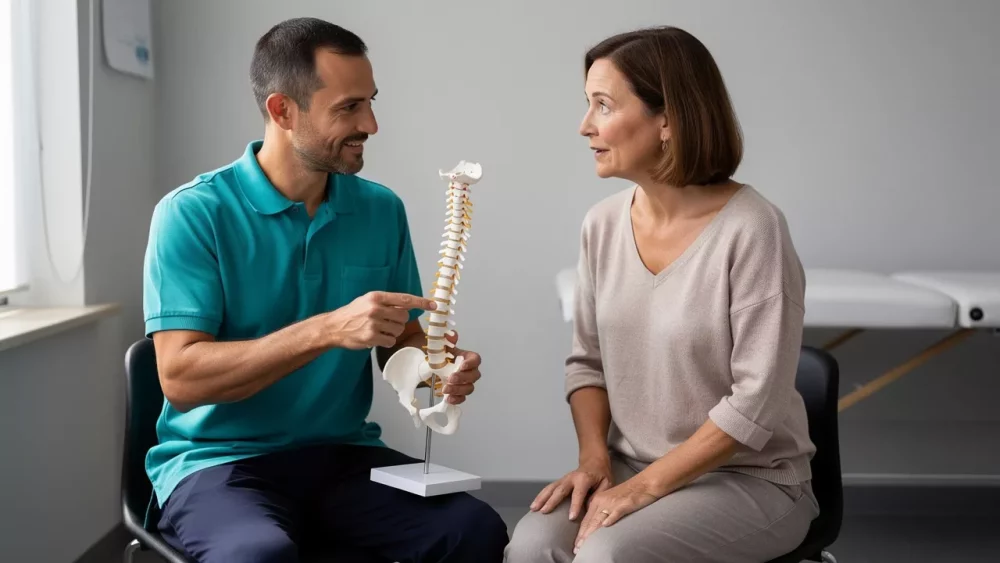
To stop guessing and start inverting smarter, remember that safe inversion follows clear rules, not trial and error. When an inversion table hurts your lower back, that pain almost always traces back to angle, time, speed, or an unseen medical issue.
Check first whether you should invert at all, then build a calm, shallow, short routine if your doctor agrees. Combine that careful plan with solid equipment and other back‑friendly habits, and your table can shift from a source of fear to a helpful tool. For gear picks, safety checklists, and alternative therapy ideas, Best Inversion Table Reviews is ready to guide your next step.
Frequently Asked Questions
These frequently asked questions about inversion tables give quick answers so you can adjust your routine with more confidence.
Question 1: Why does my lower back hurt more after using an inversion table?
Your lower back usually hurts more because joints reload too fast when you sit up. Steep angles, long hangs, and weak ankle support also force muscles to grip hard. That mix overstretches tissue, triggers spasms, and leaves you sore after each session.
Question 2: What is the safest angle for inversion therapy beginners?
The safest angle for most beginners sits between 15–30 degrees. Many seniors or very stiff users do better at 10 degrees. Avoid full inversion at 180 degrees, especially during your first weeks, since deep angles add risk without better results.
Question 3: How long should I stay inverted each session?
Start with only 30–45 seconds per session. If that feels fine, build up slowly toward 1–5 minutes. Stay below five minutes and no more than twice daily to reduce overstretching and joint strain.
Question 4: Can inversion therapy make a herniated disc worse?
Yes. Inversion can worsen a herniated disc when you do not have medical clearance. Sudden joint reload during a fast sit‑up can push the disc farther out. Always ask a spine specialist or physical therapist before you try any inversion.
Question 5: What are the best alternatives to inversion tables for lower back pain?
Strong alternatives include clinic‑based physical therapy, supervised spinal traction devices, core strengthening, gentle yoga, and simple floor stretches. Moves such as knees‑to‑chest or light back extensions help many people. Best Inversion Table Reviews offers full guides for these non‑inversion options.