Stiffness in your back, tight hips, and limited range of motion can make even simple movements feel like a chore. Whether you’re bending to tie your shoes or reaching for something on a high shelf, the daily toll of gravity compresses your spine and restricts your flexibility.
Inversion therapy offers a natural solution by flipping the script on gravity. This technique gently decompresses your spine by positioning your body at various angles or completely upside down, creating space between your vertebrae and allowing tight muscles to release.
Here’s what makes it work: When you invert, your body weight creates gentle traction that widens the gaps between spinal discs. This process encourages rehydration of compressed discs, improves circulation to surrounding muscles, and relieves pressure on pinched nerves that limit your ability to move freely.
Throughout this guide, you’ll discover the science-backed benefits of inversion therapy, learn safe techniques for getting started, and understand how to integrate this practice into your flexibility routine. You’ll also find practical equipment recommendations and safety protocols to help you avoid common mistakes.
Ready to improve your mobility and give your spine the reset it deserves?
Key Takeaways
Inversion therapy uses gravity to decompress the spine by positioning your body at angles between 20 and 90 degrees, creating space between vertebrae and improving flexibility
Regular sessions improve muscle relaxation and joint mobility through myofascial release and better circulation to tight areas
Start with gentle 20-30 degree angles for 1-2 minutes per session, gradually progressing over several weeks as your body adapts
Not suitable for people with cardiovascular issues, glaucoma, or osteoporosis due to increased intracranial and blood pressure during inversion
Best results come from consistent, short sessions (2-3 minutes, 2-3 times daily) combined with proper breathing techniques and safety protocols
What Is Inversion Therapy and How Does It Improve Flexibility?
Inversion therapy is a gravity-based technique that reverses the constant downward pressure your spine experiences throughout the day. By positioning your body at angles ranging from slight tilts to complete inversions, this method creates traction that gently pulls your vertebrae apart.
Think about what happens during a typical day. Sitting at your desk, standing in line, or running errands all compress your spine like a spring being slowly squeezed. The soft discs between your vertebrae flatten, muscles tighten, and your range of motion gradually shrinks.
When you invert, the process reverses. Your upper body weight creates gentle traction that increases the space between vertebrae. This decompression allows your discs to rehydrate and absorb nutrients like a sponge expanding after being squeezed dry. The result is immediate relief from compression and a noticeable improvement in how freely you can move.
The flexibility connection happens through myofascial release. As your spine decompresses, the muscles running along your back (particularly the paraspinal muscles) stretch and release built-up tension. This relaxation reduces muscle spasms and stiffness, making it easier to bend, twist, and reach through your full range of motion.
Beyond the spine, inversion creates subtle micromovements throughout your skeletal structure. These small adjustments help realign your posture, mobilize hip and knee joints, and correct the slouching effects of desk work. Over time, these changes translate to better reach, smoother rotation, and improved overall mobility.
The process also boosts circulation to your spinal area. Increased blood flow delivers oxygen and nutrients to tight muscles while helping remove metabolic waste products. This reduction in inflammation directly addresses one of the primary barriers to achieving better flexibility.
Research backs up these benefits. A study involving 47 adults with chronic low back pain found that practicing inversion at a 60-degree angle significantly improved both torso flexibility and muscular strength after eight weeks of consistent use.
The Science-Backed Benefits of Inversion Therapy for Your Spine and Muscles
Clinical research demonstrates that inversion therapy delivers measurable improvements for both flexibility and spinal health. The Newcastle University study from 2012 found that patients with sciatica who used inversion therapy were significantly less likely to require surgery compared to those using traditional treatments alone.
The eight-week study of 47 adults with chronic low back pain revealed even more specific benefits. Participants who inverted at a 60-degree angle experienced notable improvements in torso flexibility and muscular strength. These weren’t just subjective improvements either—researchers measured actual increases in range of motion and muscle function.
Disc rehydration stands as one of the most important physiological benefits. Throughout the day, gravity squeezes fluid out of your spinal discs like water from a sponge. When you decompress through inversion, you create a vacuum effect that draws moisture and nutrients back into the disc tissue. This rehydration helps maintain the cushioning properties of your discs and supports better spinal health over time.
Key Benefits of Inversion Therapy
Nerve pressure relief for people dealing with sciatica or radiating leg pain
Muscle relaxation extending beyond just the back to hip flexors and core
Improved blood flow and lymphatic drainage supporting recovery
Temporary symptom relief from pain and stiffness
Reduced need for surgery in some cases of lumbar disease
Nerve pressure relief offers another significant advantage, especially for people dealing with sciatica or radiating leg pain. By increasing the space between vertebrae, inversion temporarily relieves pressure on compressed nerves. This reduction in nerve interference removes a major barrier to stretching and movement, allowing you to exercise and stretch more effectively.
The muscle relaxation benefits extend beyond just the back. Your paraspinal muscles, hip flexors, and core all experience a deep stretch during inversion. This comprehensive relaxation interrupts the pain-spasm cycle that keeps many people locked in a pattern of tightness and limited mobility.
Improved blood flow and lymphatic drainage support recovery for athletes and fitness enthusiasts. The inverted position encourages circulation to areas that typically receive less blood flow during upright activities. This enhanced circulation helps clear waste products and delivers fresh oxygen to tired muscles.
It’s important to understand the distinction between symptom relief and structural repair. Inversion therapy excels at providing temporary relief from pain and stiffness. However, once you return to an upright position, gravity begins re-compressing your spine. While regular use can improve flexibility and muscle tone over time, it doesn’t permanently fix underlying structural damage like deep tears in spinal discs.
According to research published in Disability and Rehabilitation, people with lumbar disease reduced their need for surgery within six weeks of beginning inversion therapy. This suggests that while inversion may not cure structural problems, it can effectively manage symptoms and potentially delay or prevent the need for surgical intervention.
How to Use Inversion Therapy Safely: Equipment, Techniques, and Beginner Guidelines
Starting inversion therapy requires the right equipment and a clear understanding of safety protocols. Rushing into steep angles or skipping essential precautions can lead to dizziness, muscle strain, or more serious complications.
Choosing the Right Inversion Equipment for Your Needs
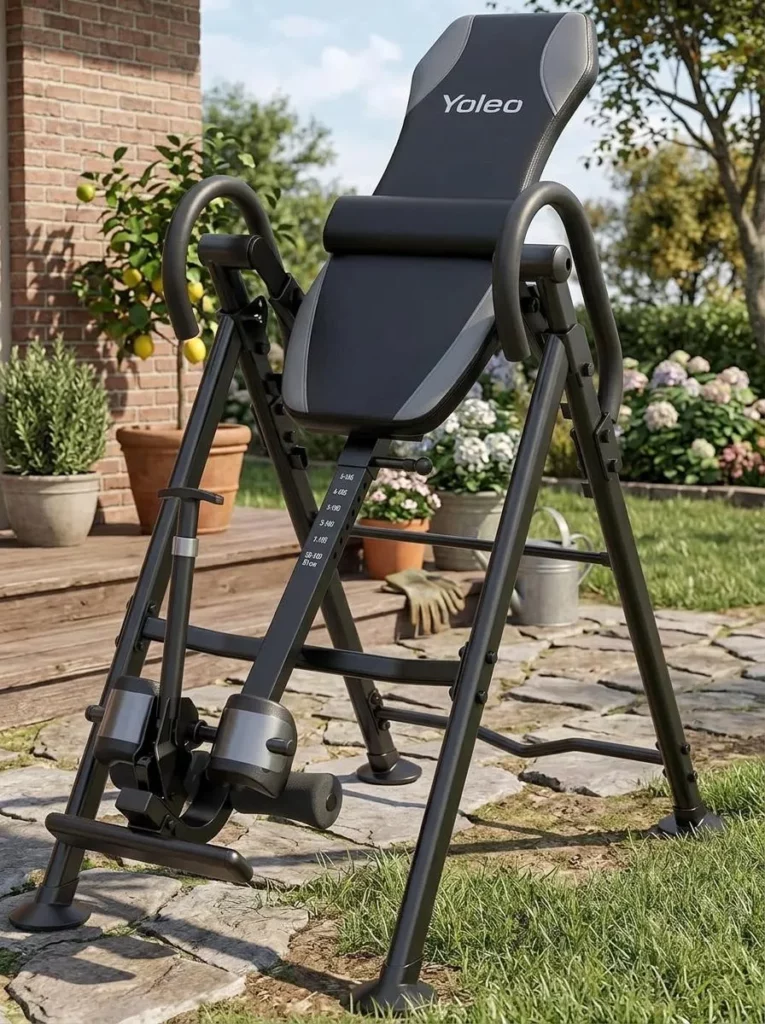
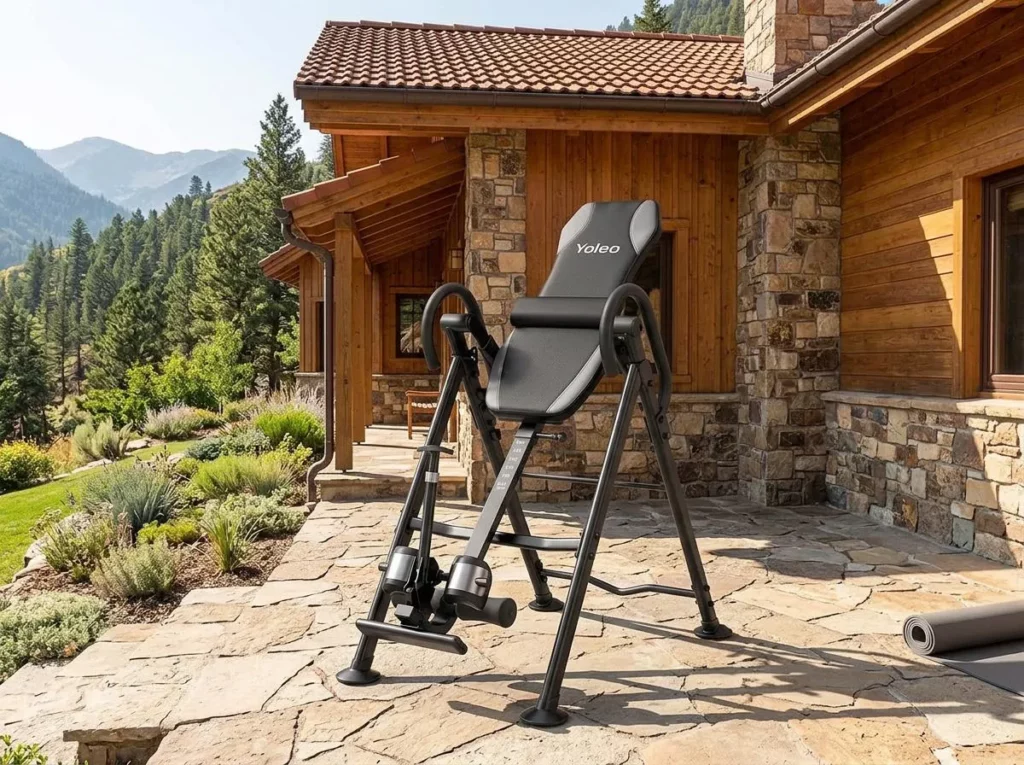
Inversion tables remain the most popular choice for at-home use. These devices allow you to secure your ankles and lean back at controlled angles, giving you precise control over the degree of inversion.
Premium models ($300-$500+) feature 2-3+ inches of memory foam padding, tool-free ergonomic ankle adjustment systems, heat-treated steel frames, and precision bearings for smooth rotation. Many carry FDA registration and UL certification, demonstrating they meet strict safety standards. Best Inversion Table Reviews evaluates these high-end options for users who want maximum comfort and durability.
Mid-range tables ($250-$400) offer the best overall value for most users. These models combine durable construction with comfortable padding and essential safety features without the premium price tag. They typically include secure locking mechanisms, quick-release features, and contoured backrests that support your spine’s natural curve.
Budget models ($100-$150) work well for beginners testing whether inversion therapy suits their needs. These entry-level options feature standard 1-1.5 inch padding, manual ankle supports, and lighter-gauge frames. While they lack some comfort features, they provide effective decompression for basic use.
Inversion chairs suit people with balance concerns or mobility limitations. These devices allow you to experience decompression from a seated position, making them ideal for seniors or those with knee or hip issues.
Gravity boots appeal to advanced athletes seeking freedom of movement. These heavy-duty ankle wraps let you hang from a bar, enabling inverted core exercises and deep stretches that aren’t possible on a table.
For those preferring equipment-free options, yoga poses like headstands, shoulder stands, and plow pose offer similar gravitational benefits. Aerial yoga uses silk hammocks to provide gravity-defying support, making inversions safer and more accessible under professional guidance.
Essential Safety Protocols and the 20-Degree Rule
The 20-Degree Rule forms the foundation of safe inversion practice. Beginners should start at a gentle 20-30 degree angle for only 1-2 minutes per session. Even this slight tilt triggers spinal decompression without overwhelming your cardiovascular system.
Your progression should be gradual and methodical. Spend at least one to two weeks at each angle before increasing. This gives your body time to adapt to the changes in blood pressure and allows your muscles to learn how to relax into the stretch.
Returning to an upright position demands as much care as inverting. Always come back slowly, pausing at the horizontal level for 30 seconds. This pause allows your blood pressure to stabilize and your spine to recompress gently, preventing dizziness or muscle spasms.
The spotter system provides support during your first few sessions. Have a partner nearby who can help adjust settings or assist you in returning upright if you feel lightheaded. They can also verify your ankle locks are properly secured before you begin.
Deep, conscious breathing makes a significant difference in your results. Tensing up during inversion counteracts the decompression effect. Focus on slow, steady breaths that help your muscles relax and release tension. Think of each exhale as permission for your spine to lengthen.
Best Practices for Inversion Sessions
Time your sessions when muscles are warm (after a shower or light activity)
Stay properly hydrated before and after sessions
Aim for 2-3 minutes of inversion, 2-3 times daily
Keep a session log tracking angle, duration, and how you felt
Never invert on cold, tight muscles
Timing your sessions strategically improves effectiveness. Invert when your muscles are warm, such as after a shower or light activity. Cold, tight muscles resist the stretch and limit the benefits.
Hydration plays a supporting role in disc rehydration. Decompressed discs absorb fluids more effectively when your body is properly hydrated. Drink water before and after your sessions to maximize this benefit.
Short, frequent sessions outperform long, occasional ones. Aim for 2-3 minutes of inversion two to three times daily rather than a single 15-minute session once a week. This consistent maintenance keeps your spine healthier and your flexibility gains more stable.
Maintaining a session log helps you track your progress and provides valuable information for discussions with your healthcare provider. Record the angle, duration, and how you felt during and after each session.
Who Should Avoid Inversion Therapy: Critical Contraindications and Risk Factors
Inversion therapy significantly alters your body’s internal pressure and blood flow patterns. When you hang upside down, blood rushes to your head, increasing intracranial pressure (pressure inside your skull) and ocular pressure (pressure in your eyes). Your heart rate temporarily drops while blood pressure increases.
These physiological changes make inversion dangerous for certain medical conditions. Cardiovascular issues top the list of contraindications. If you have uncontrolled high blood pressure, heart disease, or a history of stroke, inversion therapy poses serious risks. The increased blood pressure during inversion can trigger cardiovascular events in people with compromised heart health.
Eye conditions present another critical concern. People with glaucoma face particular danger because inversion dramatically increases ocular pressure, potentially causing permanent vision damage. Retinal detachment and conjunctivitis (pink eye) also disqualify you from inversion therapy due to the pressure changes and risk of spreading infection.
Bone density concerns make inversion risky for people with osteoporosis. The mechanical stress of inversion can cause fractures in weakened bones. Recent fractures and unhealed spinal injuries also require complete avoidance of inversion until your doctor clears you for this type of activity.
Medical Conditions That Prohibit Inversion Therapy
| Condition Category | Specific Conditions |
|---|---|
| Cardiovascular | Uncontrolled high blood pressure, heart disease, stroke history |
| Eye Conditions | Glaucoma, retinal detachment, conjunctivitis |
| Bone Health | Osteoporosis, recent fractures, unhealed spinal injuries |
| Other | Middle ear infections, pregnancy, obesity, blood-clotting medications |
Middle ear infections create balance problems that make controlling an inversion table difficult and dangerous. The pressure changes during inversion can also worsen ear infections and delay healing.
Pregnancy, obesity, and the use of blood-clotting medications round out the list of major contraindications. Pregnant women should avoid inversion due to the stress it places on the cardiovascular system and the risk of falls. Obesity increases the mechanical stress on joints and makes proper positioning difficult. Blood-clotting medications combined with the blood pressure changes during inversion create a dangerous combination.
Consulting a physician before starting inversion therapy is non-negotiable. Your doctor can assess your cardiovascular health, check for eye conditions you might not be aware of, and review your complete medical history to identify any risk factors.
If you have contraindications but still need flexibility and pain relief, safer alternatives exist. Physical therapy provides professionally guided exercises tailored to your specific limitations. Foam rolling offers myofascial release without the cardiovascular stress of inversion. Gentle yoga classes focus on flexibility and strength building with modifications for various conditions. Core strengthening exercises support your spine and prevent future compression without requiring inversion.
Remember that inversion therapy serves as a supplementary tool, not a replacement for medical treatment or professional guidance. Even if you’re cleared for inversion, it works best as part of a comprehensive approach to spinal health that includes proper medical care, targeted exercises, and lifestyle modifications.
Maximizing Your Flexibility Results: Combining Inversion With Stretching and Core Work
Inversion therapy delivers the best results when integrated into a comprehensive flexibility and wellness routine. Think of it as one powerful tool in a larger toolkit rather than a standalone approach.
Timing your stretches strategically amplifies the benefits of inversion. Immediately after an inversion session, your muscles are relaxed and your spine is decompressed. This creates an ideal window for gentle stretching that can take advantage of your body’s temporary increased flexibility.
Cat-cow stretches work particularly well post-inversion. These gentle spinal movements help maintain the decompression you just created while building awareness of your spine’s natural curves. Child’s pose extends the stretch through your lower back and hips, areas that often hold tension from daily activities.
Hip flexor stretches address one of the most common flexibility limitations in modern life. Hours of sitting tighten these muscles, pulling your pelvis forward and compressing your lower spine. Stretching them after inversion helps correct this imbalance and supports better posture.
Gentle torso rotations improve your ability to twist and reach. Start small with these movements, focusing on smooth, controlled motion rather than forcing your range. The decompression from inversion gives you extra space to explore these rotational movements safely.
Post-Inversion Stretching Routine
Cat-cow stretches – Maintain spinal decompression and build awareness
Child’s pose – Extend the stretch through lower back and hips
Hip flexor stretches – Correct sitting-related imbalances
Gentle torso rotations – Improve twisting and reaching ability
Core strengthening exercises prevent future compression and support spinal alignment. A strong core acts like a natural back brace, reducing the load on your spine during daily activities. Planks, bird dogs, and dead bugs build this essential foundation without requiring equipment or complex movements.
Tracking your progress through specific flexibility benchmarks keeps you motivated and helps you identify what’s working. Test your toe touch reach, overhead reach distance, and torso rotation range once a week. Small, consistent improvements over time demonstrate that your routine is effective.
Advanced users can explore inverted exercises once they’re comfortable with basic inversion. Inverted ab crunches and gentle torso rotations on the table add a strength component to your flexibility work. These movements require excellent body control and should only be attempted after several months of regular inversion practice.
Consistency trumps intensity in flexibility development. Regular maintenance through short, frequent sessions yields better long-term results than aggressive, sporadic workouts. Your body adapts to consistent signals, building new movement patterns that stick.
Best Inversion Table Reviews emphasizes that while inversion provides immediate relief, permanent structural improvements require ongoing commitment to multiple modalities. Combining inversion with physical therapy, targeted stretching, and core work creates a synergistic effect where each component improves the others.
Physical therapy brings professional assessment and personalized exercise prescription. A physical therapist can identify specific weaknesses or imbalances that contribute to your flexibility limitations and design a program to address them. Pairing their expertise with at-home inversion creates a powerful combination for lasting improvement.
Wrapping Up: Your Path to Better Flexibility Through Safe Inversion Practice
Inversion therapy offers a scientifically-supported method for improving flexibility through spinal decompression. By reversing the daily effects of gravity, you create space between your vertebrae, allow tight muscles to release, and give your body the reset it needs to move more freely.
The key to success lies in starting slowly with proper equipment and strict adherence to safety protocols. Begin at gentle 20-30 degree angles for just 1-2 minutes per session, gradually progressing as your body adapts. Remember that short, frequent sessions deliver better results than long, occasional ones.
Best Inversion Table Reviews provides comprehensive guides to help you find the right table for your needs, whether you’re looking for a premium model with advanced features or a budget-friendly option to get started. Our detailed reviews cover safety certifications, comfort features, and real-world performance to help you make an informed decision.
View inversion as a valuable maintenance tool within a broader wellness strategy that includes stretching, core strengthening, and professional medical guidance. Before starting any inversion program, consult your healthcare provider to verify it’s safe for your specific situation.
Ready to explore how the right inversion table can support your flexibility goals? Check out our detailed equipment reviews and safety guides to begin your path toward better mobility and reduced back pain.
Frequently Asked Questions
How Long Does It Take to See Flexibility Improvements From Inversion Therapy?
Most users notice initial relief within 1-2 weeks of consistent use, with muscles feeling less tight and movements becoming smoother. The eight-week clinical study showed measurable flexibility gains at the 60-degree angle with regular sessions. Individual results vary based on your starting condition, session consistency, and whether you combine inversion with stretching and core work. Patience and consistency matter more than aggressive sessions.
Can Inversion Therapy Help With Sciatica and Nerve Pain?
Yes, decompression relieves pressure on compressed nerves like the sciatic nerve by creating space between vertebrae. The 2012 Newcastle University study found that sciatica patients who used inversion therapy were significantly less likely to require surgery than those using traditional treatments alone. However, inversion addresses symptoms rather than underlying structural damage. It provides temporary relief that can help you function better while pursuing other treatments.
What Angle Should I Use for Maximum Flexibility Benefits?
Start at 20-30 degrees for beginners and gradually work up to 60 degrees over several weeks. The 60-degree angle was used in successful clinical studies showing improved flexibility and strength. Full 90-degree inversion isn’t necessary and increases cardiovascular risks without proven additional benefits. Most flexibility gains occur at moderate angles where your body can relax into the stretch without triggering a stress response.
Is It Safe to Use an Inversion Table Every Day?
Daily use is safe for healthy individuals when following proper protocols and starting gradually. Aim for 2-3 short sessions (1-3 minutes each) rather than one long session to maintain spinal health without overtaxing your cardiovascular system. Listen to your body and reduce frequency if you experience persistent dizziness, headaches, or increased pain. Consult your doctor if you’re unsure whether daily inversion suits your specific health situation.
What’s the Difference Between Budget and Premium Inversion Tables for Flexibility?
Premium models ($300-$500+) offer superior comfort with 2-3+ inches of memory foam padding and tool-free ergonomic ankle systems that make sessions more enjoyable for longer-term use. Mid-range tables ($250-$400) provide excellent value with durable construction and essential safety features. Budget models ($100-$150) work for basic decompression but may lack comfort features, making them better for testing whether inversion suits you before investing in a higher-quality table.